Supply Chain Compromise Exposes Organizations to Advanced Threats: Lessons from the Storm-0940 Breach
What Happened
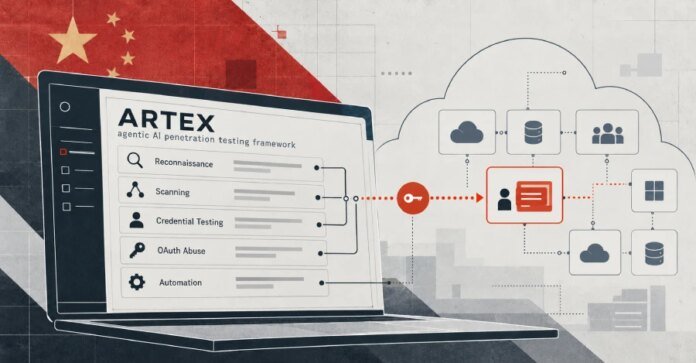
In a significant data breach disclosed by Microsoft, the China-aligned threat actor known as Storm-0940 exploited vulnerabilities within the ConnectWise Cloud Backup application. The breach not only reveals a critical supply chain vulnerability but also points to the sophisticated techniques employed by modern cyber adversaries. The attack used ARTEX, a Go-based AI penetration testing framework, which was initially intended for benign purposes—specifically authorized security testing. The breach was confirmed after indicators of compromise were identified, triggering investigations that revealed unauthorized access and the potential exfiltration of sensitive data. It is estimated that a substantial number of organizations using ConnectWise may have been impacted, given its role as a backup and recovery solution for various sectors.
Why This Breach Matters
The Storm-0940 incident is emblematic of a worrying trend in cyber warfare, where state-aligned actors are leveraging advanced technologies to penetrate high-value targets. This breach underscores the escalating complexity of supply chain attacks, particularly through the adoption of sophisticated tools like ARTEX. By integrating capabilities of AI into their toolsets, threat actors can automate and expedite the reconnaissance and exploitation phases of their operations, which has become a hallmark of advanced persistent threats (APTs). Compared to recent breaches that exploited zero-day vulnerabilities, this incident reveals a shift towards using legitimate tools for malicious acts. Security teams need to assess their supply chain dependencies and the security protocols of third-party applications, raising red flags for organizations reliant on similar backup solutions.
The Attack Chain: How It Likely Unfolded
Based on the current understanding, the attack initiated with Storm-0940 gaining initial access through compromised legitimate environments associated with ConnectWise. Likely, the threat actor scanned target networks for vulnerabilities using ARTEX to facilitate reconnaissance, exploit weaknesses, and employ lateral movement techniques to access sensitive data. Active scanning tools, combined with the AI capabilities of ARTEX, would have enabled rapid identification of exploitable endpoints, resulting in a swift operational tempo. Following internal network access, the adversary probably employed various data exfiltration techniques, such as leveraging encrypted tunnels or obfuscation tools, to prevent detection. Although the specific dwell time remains undisclosed, the sophistication of the methods indicates a carefully orchestrated operation likely designed to remain under the radar for an extended period.
Who Is Most at Risk
Organizations in technology, financial services, and cloud computing are particularly vulnerable to attacks like this due to their reliance on third-party software and services for cloud backup solutions. Small to medium-sized enterprises (SMEs) that utilize ConnectWise for data protection face heightened risks, particularly if they lack comprehensive cybersecurity defenses that can detect and respond to advanced threats. Additionally, industries handling sensitive data, such as health care or finance, must prepare for similar threats as they often represent lucrative targets for state-aligned actors seeking leverage or financial gain.
Defensive Actions and Recommendations
In light of the Storm-0940 breach, organizations should adopt a multi-layered security posture tailored to counteract supply chain risks effectively:
Immediate Actions (24–72 hours):
- Conduct an immediate review of all third-party software dependencies, focusing on configurations and access controls.
- Implement network segmentation to minimize lateral movement risk, especially for sensitive data repositories.
- Enhance logging and monitoring in environments using ConnectWise to detect any anomalous activity indicative of compromise.
- Short to Long-term Strategies:
- Adopt a zero-trust security model to control both user and device access, ensuring that least-privilege access policies are in place.
- Invest in automated threat detection solutions that integrate with existing environments, utilizing machine learning to identify unusual patterns in system behavior.
- Regularly conduct threat-hunting exercises and penetration testing to identify vulnerabilities before they can be exploited by adversaries.
- Align cybersecurity practices with frameworks such as NIST CSF and CIS Controls to bolster overall resilience against sophisticated threats.
- Establish robust incident response plans that cover not only internal systems but also partnerships with third-party vendors.
Regulatory and Legal Exposure
The implications of the Storm-0940 breach may extend beyond cybersecurity and into the realms of regulatory compliance. Depending on the data exposed in the breach, affected organizations may face obligations under various frameworks, such as GDPR, if European citizens’ data was involved, or HIPAA for healthcare entities. Notification requirements regarding disclosures of breaches can incur fines and legal repercussions, raising the stakes for how organizations manage third-party vendor risks. Ensuring compliance protocols are in place can mitigate the potential fallout associated with legal exposure.
Full Circle Cyber Analyst Takeaway
The Storm-0940 breach serves as a stark reminder that the security of third-party applications is inseparable from enterprise security. As supply chain attacks become increasingly sophisticated, organizations must exercise vigilance over their external software dependencies. Establishing a robust approach to supply chain risk management, combined with ongoing threat intelligence and monitoring, is no longer optional—it’s critical to staying one step ahead of state-aligned threat actors.

