Critical Windows Vulnerability Exposed: The Potential for Widespread Exploitation
What Happened
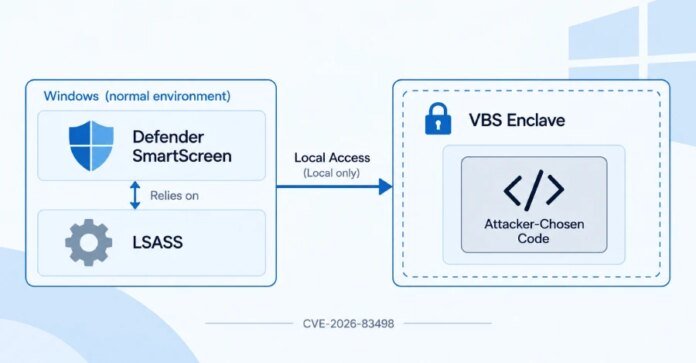
Recent reports have highlighted a significant security breach involving a vulnerability within Windows—a critical operating system used by millions around the world. Security researchers successfully executed code within a Virtualized-Based Security (VBS) enclave, specifically targeting an area responsible for managing passwords tied to Microsoft’s anti-phishing features. This enclave, which is intended to safeguard sensitive information even from other system processes, was breached in a controlled laboratory setting, allowing researchers to manipulate the underlying security mechanisms. The intrusion signifies that if exploited outside of a controlled environment, attackers could potentially gain access to this sensitive data, compromising user credentials and undermining trust in Microsoft’s protective functions. While the exact scale of vulnerability exploitation in the wild is currently unclear, the implications for both end-users and enterprises could be profound if such tactics were adopted by malicious actors.
Why This Breach Matters
This incident draws attention to a larger trend of increasingly sophisticated attacks targeting underlying security architectures, rather than merely exploiting traditional application vulnerabilities. As threat actors refine their techniques, this demonstration suggests a shift towards focusing on the core defensive mechanisms of operating systems. Notably, this breach may reflect coordinated activity by advanced persistent threats (APTs) seeking to compromise secure areas of technology that were previously considered safe. Compared to other recent breaches which often exploit network vulnerabilities or application flaws, this incident poses a more significant challenge to defenders who rely on the assumptions of enclave integrity. The vulnerabilities point to a concerning gap in security, where even fortified areas of an operating system are not immune to exploitation. Organizations should consider this breach a clarion call for reevaluating the effectiveness of their current defensive strategies.
The Attack Chain: How It Likely Unfolded
While this incident occurred in a research lab, we can speculate about how a potential real-world attack might proceed. Attackers could initiate their intrusion by first breaching the network perimeter through social engineering or phishing, gaining initial access to a target system. With the right tools, they might exploit other vulnerabilities in the operating system to escalate privileges, allowing them to interact with the VBS enclave. Once inside, they could manipulate the workspace to extract sensitive data, including passwords and cryptographic keys. One critical aspect to consider is the dwell time, which refers to how long an attacker remains undetected within a system; if attackers are successful in gaining access to the VBS enclave, they could potentially linger undetected for extended periods, making it difficult for defenders to identify and respond to the threat effectively. Without adequate monitoring and detection tools specifically tuned for threats against virtualized environments, the risk of undetected intrusions increases significantly.
Who Is Most at Risk
Organizations that heavily rely on Windows environments, particularly those in sectors such as finance, healthcare, and technology, are at heightened risk due to the sensitive nature of the data they manage. Enterprises using VBS for enhanced security must be particularly vigilant, as the vulnerabilities exposed affect core protective mechanisms that many defenses are built upon. Furthermore, smaller businesses that may lack sophisticated security infrastructure are also vulnerable, as they might not have the resources to implement advanced monitoring solutions. The understanding that VBS security can be compromised suggests that any organization using Windows for sensitive operations should review their security protocols related to password management and credential storage.
Defensive Actions and Recommendations
In the wake of this vulnerability, security teams must act decisively both in immediate response and long-term strategy. In the first 24–72 hours, organizations should:
Conduct Vulnerability Assessments: Rapidly assess their Windows environments for the existence of this vulnerability, focusing on systems utilizing VBS.
Implement Endpoint Detection and Response (EDR): Deploy advanced EDR solutions that can identify and respond to suspicious activities, especially concerning interactions with VBS.
- Review and Harden Access Controls: Reevaluate permission levels to sensitive areas such as VBS environments, applying the principle of least privilege to minimize exposure.
For the long term, organizations should align their cybersecurity strategies with established frameworks like NIST Cybersecurity Framework or CIS Controls. Additional recommendations include:
Regular Training: Ensure that all employees are trained to recognize phishing attempts and understand the importance of protecting their credentials.
Incident Response Planning: Update incident response plans to incorporate scenarios involving breaches of core security mechanisms, ensuring readiness for potential exploitation.
- Continual Monitoring and Threat Intelligence: Employ ongoing threat intelligence services that can provide timely updates on emerging threats against Windows systems and VBS.
Regulatory and Legal Exposure
Given the nature of the data involved in this incident—specifically, sensitive passwords tied to user accounts—organizations may face regulatory scrutiny under frameworks such as GDPR, which mandates strong protections for user data, and CCPA, which outlines user rights related to private information. Should user credentials be exposed, organizations could face significant legal repercussions and mandatory notification requirements, emphasizing the importance of robust data protection protocols.
Full Circle Cyber Analyst Takeaway
The exploitation of VBS vulnerabilities within Windows should serve as a critical deterrent for organizations still heavily relying on traditional safeguards. This incident highlights the necessity for a layered security approach that incorporates vigilance, continuous monitoring, and a proactive stance against emerging threats—particularly those that target the very building blocks of system integrity. This is no longer just about preventing breaches; it’s about understanding and mitigating risks at every level of system architecture.

