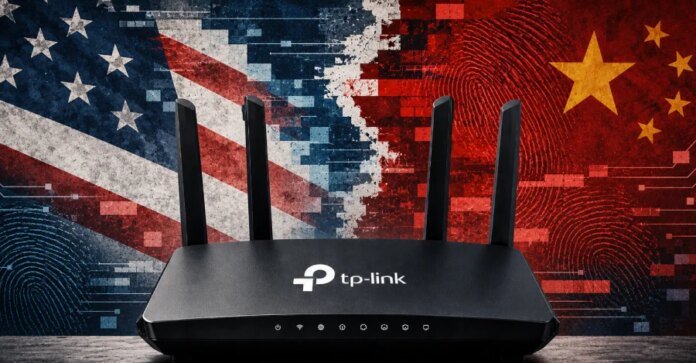
Security Implications of a Multi-State Lawsuit Against TP-Link: What Cybersecurity Teams Need to Know
What Happened
On October 6, 2023, an escalating legal situation unfolded for TP-Link Systems, a prominent maker of networking hardware, as four additional U.S. states—Florida, Iowa, Montana, and Nebraska—joined Texas in a lawsuit alleging that the company deceived consumers regarding the security of its routers and its operational independence from Chinese interests. The lawsuit claims that TP-Link falsely represented the security features of its routers, which are widely used across both consumer and enterprise settings. This case has raised important concerns regarding the potential vulnerabilities inherent in the products, notably if they offer inadequate protection against unauthorized access or data breaches. Consumers and organizations that depend on TP-Link devices are left questioning the integrity of their networks and whether their data may be at risk, given the implications of utilizing hardware viewed as potentially compromised.
Why This Breach Matters
The implications of this lawsuit extend far beyond the courts. It highlights a growing trend of regulatory scrutiny on tech companies concerning security claims related to consumer products, especially those that may be influenced by foreign entities. This case is not an isolated incident; it aligns with the broader narrative of increased vigilance regarding supply chain security, particularly with hardware linked to foreign manufacturers. As light is shed on the potential vulnerabilities of TP-Link routers, it could signal to threat actors that a significant target exists, paving the way for malware infections or data exfiltration tactics. Comparatively, this breach echoes past issues in the tech space where hardware deficiencies combined with misleading security claims have led to far-reaching data incidents, emphasizing the importance of due diligence in vendor selection.
The Attack Chain: How It Likely Unfolded
While specific technical details about the vulnerabilities have not been disclosed, it is reasonable to speculate about how an exploit could unfold. Initial access might heavily leverage known vulnerabilities in TP-Link routers, potentially involving issues such as hardcoded credentials or outdated firmware that could allow attackers to compromise devices rapidly. Once a foothold is established, lateral movement within vulnerable networks could be achieved through misconfigurations or lack of segmentation—common issues in enterprises leveraging consumer-grade routers. Data exfiltration could then be executed via command-and-control servers, intentionally built to avoid detection, which could exacerbate dwell time if organizations fail to monitor traffic patterns effectively. This scenario aligns with typical attack methodologies seen in breaches involving IoT devices and networked hardware.
Who Is Most at Risk
Organizations across various sectors, particularly those that heavily rely on consumer-grade networking hardware for operational needs, are at increased risk. Small and medium-sized businesses (SMBs) without dedicated security teams are particularly vulnerable, as they may overlook the importance of assessing the security posture of their networking equipment. Additionally, any sector involved in sensitive data handling, such as healthcare (HIPAA) and finance (PCI-DSS), should scrutinize their hardware choices, especially if they employ TP-Link products. Given the lawsuit’s focus on security misrepresentation, those using such devices without adequate security measures may find themselves facing not just potential breaches but also legal ramifications regarding data protection compliance.
Defensive Actions and Recommendations
To mitigate risk following this lawsuit, security teams should take the following prioritized actions:
Immediate Actions (24-72 hours):
- Conduct a Security Audit: Assess the configuration of routers and switch to alternatives if vulnerabilities are identified.
- Monitor for Anomalous Behavior: Implement network monitoring to detect unusual traffic patterns that could indicate router exploitation.
- Firmware Updates: Ensure all hardware is running the latest firmware; while it may not resolve underlying concerns from the lawsuit, it can close known security gaps.
Long-Term Strategic Recommendations:
- Adopt a Zero Trust Architecture: Implement segmentation within networks to limit lateral movement, ensuring that even if a device is compromised, exposure is minimized.
- Vendor Risk Management: Employ a robust vendor assessment program that critically evaluates the security claims made by hardware and software providers—aligned with frameworks like NIST 800-30.
- Security Education and Training: Equip employees with knowledge about hardware vulnerabilities and effective risk management practices, recognizing that human error often contributes to breaches stemming from hardware weaknesses.
Regulatory and Legal Exposure
Given the nature of the allegations, TP-Link may face significant regulatory scrutiny as the claims touch on issues of consumer rights and data protection. If found liable, they might not only incur financial penalties but also have to address obligations under various compliance frameworks, such as CCPA and potentially GDPR if any user data was compromised. If affected consumers or businesses are found to have suffered damages due to deceptive practices, further legal ramifications could complicate the landscape for TP-Link, highlighting the importance of transparency and accountability in their operations.
Full Circle Cyber Analyst Takeaway
This incident drives home a critical lesson for cybersecurity professionals: the onus is on organizations to conduct thorough due diligence before deploying hardware, particularly from manufacturers with potential foreign ties. As hardware vulnerabilities continue to emerge, the prioritization of security assessments when selecting technology solutions is no longer optional but essential for safeguarding against a rapidly evolving threat landscape.

