FBI Data Breach: A Wake-Up Call from ShinyHunters on Cyber Defenses
What Happened
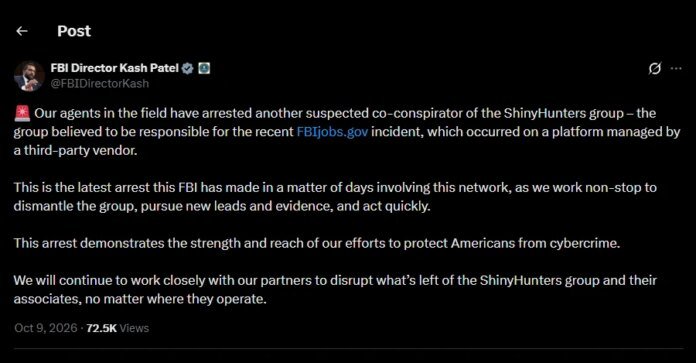
The recent breach of the FBI’s jobs portal by the notorious ShinyHunters group has raised alarm across the cybersecurity community. Confirmed by FBI Director Kash Patel on October 9, this incident saw the theft of sensitive information related to nearly all active FBI agents and job applicants. The compromised data reportedly includes personal details essential for identity verification and can potentially facilitate further threats, such as impersonation or targeted phishing attacks. Although details surrounding the breach’s discovery and specific operational tactics remain sparse, the scale and nature of the exposed data underscore the severity of the incident. The breach serves as a stark reminder of the vulnerability of even the most secure institutions in the face of sophisticated adversaries.
Why This Breach Matters
This incident is emblematic of a concerning trend where high-profile organizations are increasingly targeted by sophisticated cybercriminal groups, like the ShinyHunters. This group has gained notoriety in recent months for its systematic and brazen attempts to breach organizations for extortion and data theft, often exploiting vulnerabilities in web applications or leveraging social engineering tactics. The FBI breach mirrors other significant incidents in terms of method and impact, suggesting the emergence of more aggressive threat actor patterns that prioritize data compromise as a means of leverage. Organizations must now assess their security postures against a backdrop of evolving tactics that extend beyond traditional networks and into critical sectors of government services, thereby increasing the potential for catastrophic impact.
The Attack Chain: How It Likely Unfolded
Though the FBI has not disclosed specifics about the breach, an analysis of similar incidents suggests a probable attack chain consistent with ShinyHunters’ known methods. It likely began with initial access through either a vulnerable web application used for job submissions or through social engineering targeting employees with access to sensitive systems. Once access was obtained, the attackers would have conducted lateral movement across the network, exploiting weak credential protections or employing phishing tactics to gather further information. The data exfiltration process would necessitate carefully orchestrated actions to extract data without triggering alerts. The duration of their presence within the network—often referred to as dwell time—could vary, but typical scenarios suggest that attackers may have remained undetected for weeks, capitalizing on any gaps in monitoring and incident response timelines.
Who Is Most at Risk
Organizations within public sector domains, especially governmental agencies involved in law enforcement and intelligence, are particularly vulnerable to this type of breach due to the sensitivity of the data they handle. FBI agents and job applicants’ personally identifiable information (PII) poses substantial risks, extending beyond just the agency to potentially endangering national security and operational integrity. Other sectors that handle sensitive data, such as finance and healthcare, should also consider themselves at heightened risk, as attackers may use similar tactics to infiltrate their systems and access confidential records.
Defensive Actions and Recommendations
In the wake of this breach, organizations must take proactive measures to bolster their cybersecurity frameworks within a 24–72 hour window and in the longer term. Immediate actions should include:
Assessing and Enhancing Application Security: Conduct comprehensive evaluations of all external-facing applications for vulnerabilities and patch them immediately. Utilize tools such as OWASP ZAP or Burp Suite for dynamic application testing.
Implementing Multi-Factor Authentication (MFA): Enforce MFA across all accounts, especially for high-risk access points within the organization. This critical layer of security can mitigate risks from stolen credentials.
Conducting Phishing Simulations: Engage employees in training programs that highlight how to recognize and report phishing attempts effectively.
Increased Monitoring and Anomaly Detection: Implement advanced monitoring solutions to detect unusual access patterns or lateral movements within the network, leveraging SIEM solutions in alignment with frameworks like NIST or CIS controls.
- Developing Incident Response Playbooks: Ensure that your incident response team has a well-defined playbook to address similar breaches promptly, reducing dwell time and minimizing damage.
For long-term strategic measures, organizations should prioritize building a culture of security awareness, regularly conduct penetration testing, and review compliance measures against standards like ISO 27001 that ensure robust security posture.
Regulatory and Legal Exposure
Given the nature of the data breach, the FBI could face significant scrutiny and regulatory implications under various compliance frameworks. While federal agencies are primarily governed by different sets of rules than typical private-sector organizations, issues could arise concerning data handling, privacy laws, and the management of sensitive personal information. The implications of this breach may lead to a review of existing protocols and potentially stir discussions about the adequacy of current data security regulations in protecting personal data, particularly in environments that handle sensitive information from citizens and public servants.
Full Circle Cyber Analyst Takeaway
The breach of the FBI’s jobs portal is unequivocally a red flag for organizations across the spectrum. It emphasizes that even the most secure entities are not immune to increasingly adaptable adversaries. Security teams must internalize that robust defenses are a continual process and not a one-time implementation. Reflection on past incidents should drive forward leaning strategies that prioritize sensitivity to evolving threats and adoption of proactive, layered security measures. Embrace agility in your security programs—because complacency is the enemy of security.

