Exploiting Vulnerabilities in Plex Media Server: A Wake-Up Call for Cybersecurity Defenses
What Happened
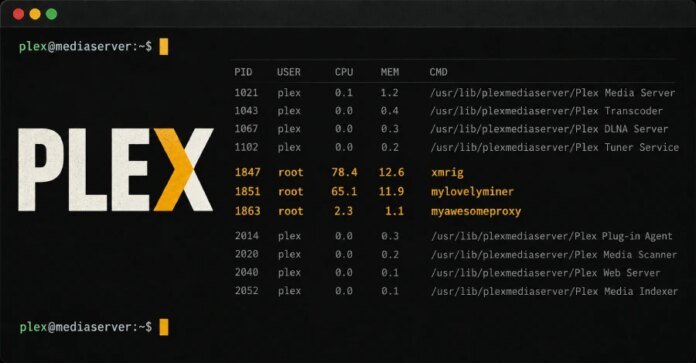
A sophisticated cyber exploitation has emerged targeting Plex Media Server, driven by a newly disclosed proof-of-concept (PoC) that detailed a series of vulnerabilities. Reported by the security researcher known as boredhackerblog, this attack, dubbed “Plex2Shell,” leverages four distinct vulnerabilities within the platform. These vulnerabilities, revealed merely a day after the PoC was made public, are being exploited to deploy cryptocurrency miners and reverse proxy software. The scale of this breach remains uncertain, but any affected Plex instances could see a wide range of exposure from personal data to full control over the server environment.
The implications of this are substantive: the vulnerabilities extend not only to unauthorized resource use (mining cryptocurrencies), but also to potential data exfiltration and further exploitation, as the reverse proxy could act as a pivot for additional attacks within the network. Security teams must act swiftly to ascertain the extent of their exposure.
Why This Breach Matters
The Plex2Shell incident signifies a troubling trend in cybersecurity where attackers exploit publicly disclosed vulnerabilities in rapid succession. This is emblematic of an ongoing pattern where threat actors utilize chain attacks, taking advantage of overlapping or interconnected weaknesses to maximize their intrusions. The speed at which this exploit was operationalized indicates a high level of sophistication and premeditation, suggesting that threat actors are increasingly capable of capitalizing on weaknesses before organizations can adequately patch or update.
This breach mirrors other recent incidents, illuminating a sector-wide vulnerability landscape where popular software is exploited due to proximity to zero-day disclosures. Such rapid exploitation raises alarms about the security postures of enterprises relying on software with known vulnerabilities, underscoring the necessity for robust patch management processes.
The Attack Chain: How It Likely Unfolded
The Plex2Shell exploit process likely began with an attacker gaining initial access via one of the vulnerabilities, perhaps taking advantage of unsecured network configurations or mismatched permissions settings in Plex Media Server. Once inside, the attackers could easily navigate within the system due to the interconnected nature of the vulnerabilities.
Armed with this initial foothold, lateral movement would involve escalating privileges to gain broader access to system resources. Using scripting or automated tools, they could deploy the cryptocurrency miners and reverse proxy software, effectively turning the compromised server into a mining rig or an exploitative tool for other attacks. While the specific dwell time is still unconfirmed, the rapid exploitation following the PoC suggests that attackers were prepared to act immediately, further complicating detection efforts for security teams.
Who Is Most at Risk
Industries that heavily rely on media server solutions, particularly entertainment and tech sectors, are at the highest risk for such breaches. Companies managing large volumes of digital content, which may include sensitive consumer data or proprietary media files, must be especially vigilant. Additionally, smaller organizations or home users running unpatched versions of Plex Media Server unwittingly expose themselves to significant risk. The threat landscape also extends to those utilizing similar software stacks, as the patterns seen in Plex could easily migrate to other popular media server solutions with comparable vulnerabilities.
Defensive Actions and Recommendations
Following this incident, organizations should take immediate, prioritized actions alongside longer-term strategic measures:
Immediate Actions (24–72 hours):
- Patch Vulnerabilities: Assess Plex Media Server installations for the latest patches. Update to the most recent version to close the vulnerabilities exploited in this incident.
- Network Monitoring: Implement enhanced network traffic monitoring to detect unusual patterns or signs of resource mining. Tools like SIEM solutions should be configured for immediate alerts.
- Access Controls Audit: Rigorously evaluate and, if necessary, tighten access controls to the media server, ensuring that only authorized personnel have access.
Long-Term Strategic Recommendations:
- Incident Response Plan: Review and update the incident response plan that includes steps for addressing exploitation of software vulnerabilities. Tailor phases for rapid containment and recovery.
- Training and Awareness: Educate staff on recognizing the signs of potential breaches and the importance of timely updates and patches—creating a cybersecurity-aware culture.
- Framework Alignment: Align security posture with recognized frameworks such as the NIST Cybersecurity Framework or CIS Controls, particularly focusing on vulnerability management and incident handling.
- Security Software Investment: Consider deploying endpoint detection and response (EDR) solutions that provide additional granularity in threat detection, especially focused on behavior analysis to identify anomalies indicative of exploitation.
Regulatory and Legal Exposure
The Plex breach could expose affected organizations to serious regulatory implications, depending on the data involved and jurisdictions affected. For instance, organizations governed by GDPR must assess whether personal data was compromised, potentially triggering a need for swift notification to the affected individuals and relevant authorities. Failing to comply with such notification obligations could bring substantial fines. Similarly, if health data or payment information were involved, agencies like HIPAA or PCI-DSS may impose additional penalties.
Full Circle Cyber Analyst Takeaway
This incident serves as a critical alarm bell for security practitioners: the window between vulnerability disclosure and exploitation is narrowing, underscoring the urgent need for proactive patch management and layered defenses. In an age where threat actors assume a "first-move advantage," organizations must cultivate an environment of vigilance and readiness. Failure to do so invites disaster—not just from a single breach, but from the cascading failures that follow.

