Exploiting Trust: How AOMEI Backupper Became a Gateway for Malware Attacks
What Happened
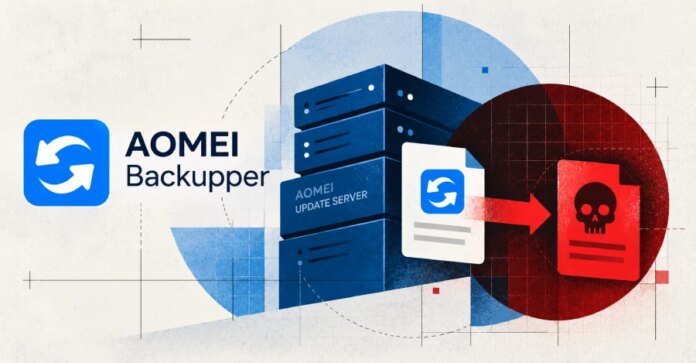
AOMEI Backupper, a popular Windows backup software, has fallen prey to an insidious supply chain attack that exploited the trust inherent in software update mechanisms. From May to July 2026, attackers compromised the vendor’s update servers, frequently altering files in a calculated manner to deliver malicious payloads. Users who attempted to update their backup software during specific five to ten-minute windows unknowingly downloaded a variant of backdoor malware embedded within the legitimate updates. Although the exact number of affected users has not been disclosed, given the software’s popularity, it’s reasonable to surmise that thousands of users may have installed the compromised version, inadvertently putting their data and systems at risk.
Why This Breach Matters
This breach exemplifies a troubling escalation in supply chain attacks that target software infrastructure. By manipulating an update process, attackers can leverage the inherent trust that organizations place in software development suppliers. Such tactics are increasingly common, mirroring recent high-profile supply chain incidents where the attack methodology has taken advantage of trusted relationships between vendors and consumers. Notably, this breach bears similarities to the SolarWinds compromise, highlighting the ongoing vulnerability of organizations that neglect the integrity of their software supply chains. Security teams must view this incident as a call to deepen their scrutiny of third-party vendors and their update practices.
The Attack Chain: How It Likely Unfolded
The attack likely initiated with the compromise of AOMEI’s update servers, a vector that could involve credential theft or exploiting unpatched vulnerabilities. Once inside the environment, attackers would have systematically manipulated update files, employing obfuscation techniques to ensure that the malicious code remained undetected by antivirus software during the short windows when users executed updates. The dwell time, characterized by these brief intervals of change, suggests a high level of operational security on the attackers’ part, allowing them to continuously adapt and evade detection. Exfiltration of data could occur after establishing a backdoor, giving attackers sustained access to victim machines and the ability to pivot swiftly within the organizational network.
Who Is Most at Risk
Organizations utilizing third-party software for essential services, particularly in sectors such as IT, finance, and healthcare, are acutely vulnerable to this breach type. The risk is particularly pronounced for businesses that rely heavily on backup solutions due to regulatory requirements or critical data protection needs. Similarly, any entity implementing update procedures without robust validation measures for software authenticity is exposed. The sensitive nature of the data involved, including potentially personal health or financial information, can escalate the consequences of this type of breach significantly.
Defensive Actions and Recommendations
Immediate Actions (24-72 hours):
- Cease Updates: Temporarily disable automatic updates for AOMEI Backupper until a thorough security assessment of the software can be conducted.
- Conduct Threat Assessment: Identify the scope of exposure by reviewing logs for updates made during the suspected attack windows.
- Isolate Infected Systems: If any unauthorized changes are detected or if systems show signs of compromise, immediately isolate them from the network to prevent lateral movement.
Long-term Strategies:
- Implement Application Whitelisting: Use application control tools to restrict the execution of unauthorized software. Frameworks like NIST SP 800-53 can provide valuable guidelines.
- Enhance Supply Chain Security: Conduct regular security reviews and audits of third-party vendors, ensuring compliance with standards such as ISO 27001 to address potential vulnerabilities in their update processes.
- Utilize Software Integrity Checks: Incorporate cryptographic signatures and hash checks into the update process to confirm the authenticity of software updates before installation.
- Employee Training and Awareness: Regularly conduct security awareness training focused on the risks associated with supply chain attacks and phishing tactics that could lead to credential theft.
- Continuous Monitoring: Deploy endpoint detection and response (EDR) solutions capable of detecting anomalous behavior indicative of backdoor installations, ensuring a proactive security stance.
Regulatory and Legal Exposure
The breach may expose AOMEI and impacted organizations to significant regulatory scrutiny, particularly under data privacy laws such as GDPR or CCPA, if personal data was compromised. Organizations could face hefty fines and mandated notification of impacted users, depending on the jurisdiction and data types involved. Compliance with PCI-DSS may also be necessary if financial information was at risk. Additionally, organizations could face legal ramifications due to potential negligence in securing sensitive data against known attack vectors.
Full Circle Cyber Analyst Takeaway
This incident underscores a crucial lesson: visibility into software supply chains is no longer optional. Security teams must prioritize rigorous verification processes for third-party updates and build a layered defense that includes proactive threat hunting and continuous monitoring. Ignoring the risks associated with trusted software updates can open a backdoor not just to malware, but to potential systemic failure within your organization’s security posture.

