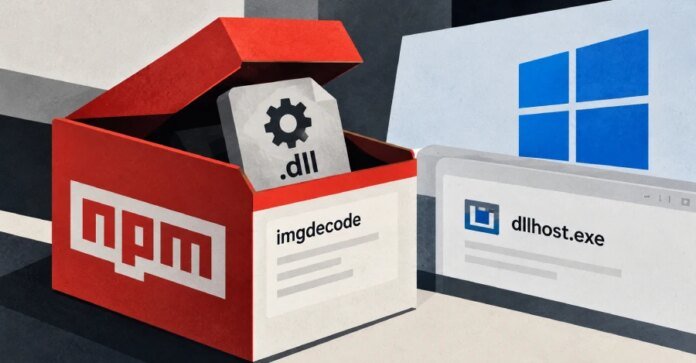
A New Threat in Software Supply Chains: The imgdecode npm Package Breach Signals Urgent Action for Development Teams
What Happened
Researchers have identified a malicious npm package named "imgdecode" that is part of an emerging software supply chain attack campaign referred to as MALFEX. The package was uploaded to the npm registry on September 30, 2026, by a user identified as “malfexteste8.” Within a short period, it garnered 979 downloads, highlighting its potential reach among developers. As of now, the malicious package remains available for download, suggesting that the threat landscape could expand if proactive measures aren’t taken. The nature of the attack points to a point of vulnerability in the software supply chain—where third-party components are often integrated without adequate vetting, exposing developers and organizations to detrimental risks.
Why This Breach Matters
The MALFEX campaign is not an isolated incident but indicative of a growing trend targeting software supply chains. As organizations increasingly rely on third-party libraries and frameworks, the introduction of malicious packages can lead to widespread vulnerabilities across numerous applications. This incident is a stark reminder of the threats embedded in the open-source ecosystem, where supply chain attacks can have devastating effects comparable to other recent incidents like the SolarWinds compromise. For security professionals, this breach highlights the necessity of implementing rigorous scrutiny for all components in software development and deployment lifecycles, reinforcing the understanding that a single compromised package can act as a foothold for larger systemic risks.
The Attack Chain: How It Likely Unfolded
Although specific details of the attack methodology are still unclear, it’s essential to reconstruct how the imgdecode package could have been exploited. Initial access likely occurred through the npm package ecosystem, where developers integrated imgdecode into their projects without realizing its malicious intent. Upon installation, the package could have contained obfuscated code designed to execute harmful payloads in the background. The level of sophistication may vary; it might include exfiltration of environment variables or sensitive data from the host application. The dwell time of the code remains undetermined, but the potential for this threat to remain unnoticed for extended periods in production environments underscores the need for collaborative vigilance among teams managing third-party dependencies.
Who Is Most at Risk
This breach poses a threat to organizations across multiple sectors that depend on JavaScript and npm for building web applications. Industries such as technology, finance, healthcare, and e-commerce are particularly vulnerable due to their reliance on extensive libraries and frameworks for rapid application development. Enterprises integrating open-source software without proper risk assessments are at the highest risk, making organizations of all sizes, especially those with less mature software supply chain protocols, prime targets for exploitation. The type of sensitive data at risk includes user credentials, APIs, and other private information that could lead to further data breaches or systemic vulnerabilities.
Defensive Actions and Recommendations
To counteract the risks associated with malicious supply chain attacks, security teams must take immediate and systematic actions. In the first 24–72 hours, organizations should:
- Enhance Monitoring: Increase the monitoring of package management activities, focusing on unusual downloads or integrations, especially for lesser-known packages like imgdecode.
- Conduct Audits: Perform an audit of your current dependencies and their respective versions to identify any recent changes or additions that might introduce risk.
Longer-term strategies should include:
- Implementing Dependency Scanning Tools: Use automated tools (e.g., Snyk, WhiteSource) to regularly scan for vulnerabilities in third-party packages and flag those with known issues.
- Establishing a Whitelist Policy: Develop and enforce a policy that mandates the use of validated and trusted packages, reducing the reliance on untested or peer-reviewed libraries.
- Training Developers: Conduct regular training sessions for development teams on secure coding practices and the importance of safeguarding the software supply chain.
- Adopting Secure Development Frameworks: Utilize frameworks such as NIST SP 800-53 or CIS controls to fortify overall security posture within the software development lifecycle.
These proactive measures can mitigate the risks associated with future breaches and strengthen the overall security of the software supply chain.
Regulatory and Legal Exposure
Organizations affected by breaches in their software supply chain, such as the current exposure involving the imgdecode package, may face significant legal implications depending on the data involved. If personally identifiable information (PII) or sensitive health information is compromised, this could trigger compliance obligations under regulations like GDPR, HIPAA, or CCPA. Notably, the organizations should prepare for potential notification requirements and ascertain if their practices align with PCI-DSS compliance, especially if the breach impacts payment systems or customer transactions. The legal landscape surrounding software supply chain attacks is still evolving, but challenges concerning accountability and due diligence are likely to surface.
Full Circle Cyber Analyst Takeaway
The discovery of the imgdecode npm package as part of the MALFEX campaign serves as a crucial wake-up call for all organizations relying on open-source software. The ease with which malicious code can infiltrate development environments underscores the imperative for stronger vetting processes, rigorous monitoring, and enhanced developer awareness. Security teams must prioritize securing their software supply chains to not only protect their assets but also assure stakeholders in a marketplace increasingly skewed by malicious actors.

