Patents, Employee Mobility, and Risk: Navigating Legal Turbulence in Digital Identity Solutions
Regulatory Development Summary
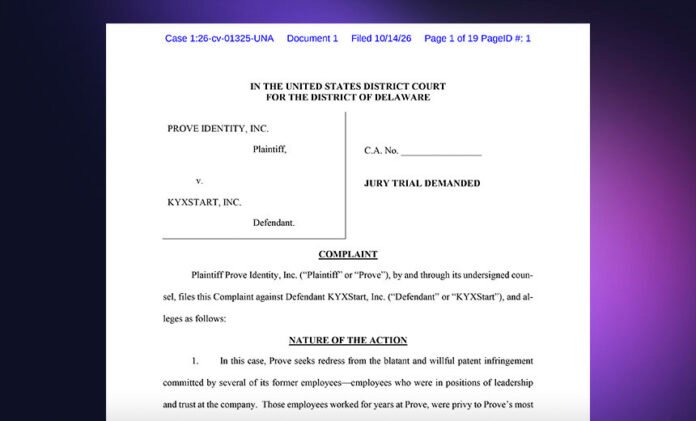
In a significant legal development, Prove has filed a lawsuit against KYXStart, alleging the infringement of two patents related to digital identity authentication. The lawsuit alleges that former Prove senior employees facilitated the creation of competing identity verification and fraud intelligence products at KYXStart, thereby violating contractual agreements and creating unfair competition in the digital identity sector. The case has emerged in Delaware, a jurisdiction known for its business-friendly legal environment. As organizations in this space strive to maintain competitive advantages, they must closely monitor the evolving legal landscape and its implications for intellectual property rights and employee conduct.
Who Is Affected and How
Organizations operating in fintech, digital identity verification, and cybersecurity sectors are at the forefront of this litigation, especially those based in Delaware or providing services nationwide and beyond. The lawsuit accentuates the legal obligations regarding the protection of intellectual property and the enforcement of non-compete and non-disclosure agreements for employees transitioning between firms. Companies may need to reassess the robustness of their employee contracts and the safeguarding mechanisms for proprietary technology to prevent similar infringement allegations. The actions taken by Prove signal an increasing legal scrutiny of employee conduct, especially surrounding proprietary information and innovation flows within competitive markets.
Key Compliance Requirements Breakdown
Organizations need to fortify their compliance frameworks regarding employee agreements and intellectual property management. Key compliance requirements include:
Review of Employment Contracts: Ensure that non-disclosure agreements (NDAs) and non-compete clauses are clear and enforceable. Companies should align their contracts with local laws and industry norms to preempt any potential legal challenges.
Employee Training on IP Rights: Conduct mandatory training sessions focusing on the importance of intellectual property and confidentiality obligations, which can be integrated into existing employee onboarding programs.
Monitoring and Enforcement: Develop processes to monitor employee activities post-employment that could violate contractual obligations. This includes implementing exit interviews and follow-ups to ensure compliance with IP agreements.
- Integration with Existing Frameworks: These processes can be mapped with existing compliance standards such as NIST CSF for risk management and ISO 27001 for information security management, ensuring that organizations not only comply with innovative practices but also establish a culture of respect for intellectual property rights.
Penalties and Enforcement Landscape
The potential for significant financial penalties and punitive damages underscores the enforcement landscape in intellectual property disputes. Firms found guilty of infringing on patents could be subjected to hefty fines, injunctions preventing further violations, and the reimbursement of legal costs to the aggrieved party. The Delaware court system tends to prioritize the protection of businesses’ competitive edge, setting precedents that may lead to more vigorous enforcement of patent rights and contract adherence. Companies should prepare for the possibility of increased litigation, which can divert resources and create operational disruptions.
Timeline and Implementation Considerations
Organizations must act swiftly, ideally within the next six months, to assess and amend their employment agreements and compliance training. A critical challenge will be addressing resource constraints, as legal teams may be stretched thin while navigating these adjustments. Additionally, companies will need to uncover potential gaps within their current systems regarding intellectual property oversight, particularly if third-party vendors were involved in product development. This entails collaborating with legal, HR, and compliance functions to ensure cohesive policy updates that reflect the new realities of employee mobility and competitive practices in the sector.
Strategic Recommendations for Compliance Teams
Conduct a Comprehensive Audit: Start with a thorough audit of existing employee agreements to identify and rectify any gaps in IP protections.
Enhance Employee Awareness: Implement regular training tailored to educate employees on intellectual property rights, emphasizing the consequences of violations.
Develop a Proactive Monitoring System: Establish outbound checks on former employees, focusing particularly on those who have transitioned to competitors.
Stakeholder Engagement: Facilitate discussions between legal, HR, and operational teams to create cohesive compliance strategies that prioritize intellectual property protection without suffocating innovation.
- Allocate Resources for Legal Preparedness: Consider setting aside dedicated resources to quickly respond to potential legal challenges stemming from infringements or employee disputes.
Full Circle Cyber Analyst Takeaway
The Prove versus KYXStart case reflects a crucial juncture for organizations in the digital identity and fintech sectors. It signals a definitive call to strengthen internal policies related to intellectual property while exposing the vulnerabilities related to competitive employee movement. Firms must prioritize the safeguarding of their innovations and reinforce existing agreements to reduce exposure to complicated legal disputes in the future. Investing now in solid compliance and intellectual property strategies will yield dividends, shielding the organization from potentially detrimental legal battles down the road.

