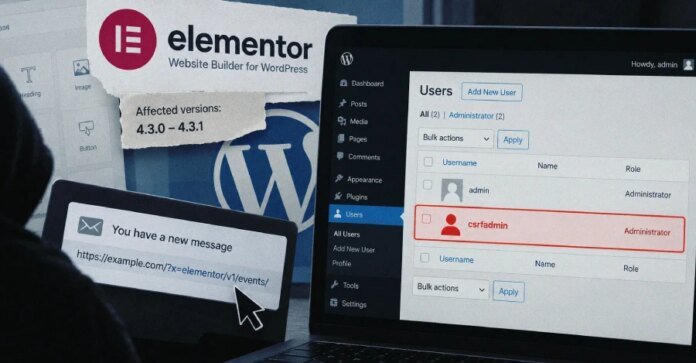
Critical Flaw in Popular WordPress Plugin Exposes Sites to Full Takeover Risk
What Happened
A serious security vulnerability has been identified in the Elementor Website Builder WordPress plugin, a tool used by millions to create and manage websites. This cross-site request forgery (CSRF) flaw, yet to receive an official Common Vulnerabilities and Exposures (CVE) designation, carries a high Common Vulnerability Scoring System (CVSS) score of 8.8. Its exploitation allows an unauthenticated attacker to generate rogue administrator accounts, granting them total control over affected sites. The vulnerability primarily impacts versions of the Elementor plugin released prior to the patch. Following its discovery, the plugin’s developers triggered an urgent response, pushing updates to mitigate the risk. The security community is currently on alert as the potential for large-scale attacks grows, given Elementor’s popularity among WordPress users.
Why This Breach Matters
This incident is emblematic of a troubling trend in web application vulnerabilities, particularly in widely used plugins that serve as critical components of website architecture. As seen in the recent surge of vulnerabilities in third-party integrations, this specific attack vector can be a goldmine for cybercriminals, amplifying the risk of supply chain attacks where a single weak link can compromise entire ecosystems. The Elementor breach reflects a distinct shift towards exploiting CSRF vulnerabilities, demonstrating that attackers are increasingly capitalizing on reliance on front-end technologies. Organizations maintaining a WordPress presence must scrutinize their plugin dependencies and adhere strictly to security best practices or risk exposure similar to incidents involving less notorious vulnerabilities in the past.
The Attack Chain: How It Likely Unfolded
The attack chain likely initiated with the attacker identifying vulnerable versions of the Elementor plugin. Given that this CSRF vulnerability requires no prior authentication, an attacker could execute a crafted request to the WordPress admin interface, effectively tricking it into thinking the command is coming from a legitimate, authenticated user. Once the rogue administrator account was created, the attacker would have full access to the site’s functionalities, paving the way for further exploitation, such as data theft, site defacement, or malware deployments. The dwell time remains unclear, but attackers exploiting such vulnerabilities can often navigate unnoticed for extended periods due to the stealthy nature of CSRF attacks. This analysis aligns with standard CSRF exploitation techniques, where session hijacking and command execution are particularly favored.
Who Is Most at Risk
Organizations utilizing WordPress as their content management system, particularly small to medium-sized businesses (SMBs) that may lack robust security resources, are at heightened risk. The web development industry, e-commerce platforms leveraging WordPress, and any entity reliant on third-party plugins for enhanced functionality should particularly prioritize cybersecurity vigilance. Exposure increases significantly when organizations do not regularly update their systems or lack dedicated security teams for continuous monitoring and patch management. Additionally, businesses that may not have implemented effective access controls are more vulnerable, as the introduction of rogue administrative accounts can lead to comprehensive system compromises.
Defensive Actions and Recommendations
Immediate actions for security teams should include the following:
Audit installed plugins: Conduct a thorough assessment of current Elementor versions in use and verify if the vulnerability affects your installations. Prioritize updating to the latest patched versions without delay.
Enforce prompt patch management protocols: Implement strict policies to ensure that all website components remain regularly updated. A delay in patching known vulnerabilities can expose organizations to attacks.
Strengthen CSRF defenses: Implement security measures such as using anti-CSRF tokens, improving input validation, and employing Content Security Policy (CSP) headers to mitigate CSRF risks.
Enhance user access controls: Limit user permissions and regularly review user accounts to ensure that only necessary personnel have administrative access to the site.
- Monitor website logs: Set up alerts for any unauthorized attempts to create admin accounts or access sensitive areas of the site, and respond to anomalies accordingly.
In the long term, organizations should adopt comprehensive security frameworks, such as the NIST Cybersecurity Framework, to strengthen their defense strategies. Embedding security practices into the software development lifecycle (SDLC) can also help mitigate vulnerabilities before plugins are deployed.
Regulatory and Legal Exposure
Organizations reliant on Elementor or similar plugins may face significant regulatory implications, especially if user data is compromised during an attack. Under frameworks such as GDPR and CCPA, organizations are required to promptly notify affected individuals and regulatory authorities upon identifying a data breach. Failure to comply can result in heavy fines and reputational damage. Particularly, organizations in e-commerce or those handling sensitive personal data must remain vigilant regarding both the technological and legal awareness of their web services.
Full Circle Cyber Analyst Takeaway
The Elementor breach highlights the inherent risks associated with reliance on third-party plugins in web applications. Organizations must prioritize proactive security hygiene, including consistent patching, rigorous access management, and robust monitoring to shield against pervasive vulnerabilities. Recognizing that the threat landscape evolves rapidly, cultivating a culture of cybersecurity awareness and rapid response within teams is imperative for safeguarding digital assets.

