GitHub Actions Breached Again: A Wake-Up Call for DevOps Security
What Happened
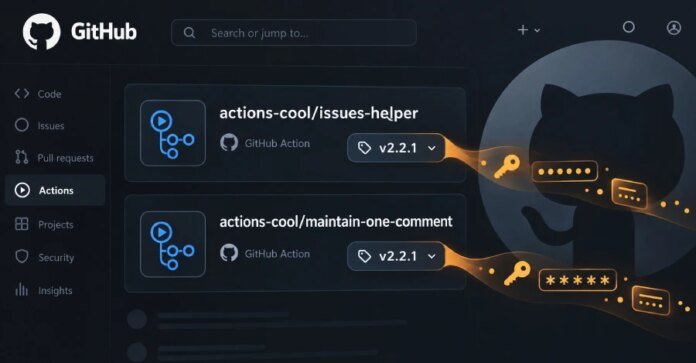
GitHub Actions, a widely utilized framework for automating software development workflows, recently suffered a significant breach affecting two repositories from the Actions-Cool organization: actions-cool/issues-helper and actions-cool/maintain-one-comment. This severe security lapse is particularly troubling as it marks the second incident involving these repositories, following their earlier compromise in May 2026 during the Mini Shai-Hulud campaign. Reports indicate that sensitive configuration files and user access tokens were exposed, raising concerns about unauthorized execution and potential supply chain attacks. Following the discovery of the security gap, these repositories have now been disabled, demonstrating GitHub’s immediate response to restore security and protect users.
The timeline for this breach is stark: months after their initial compromise, these repositories became accessible again, suggesting a failure in oversight and incident response measures within the organization that manages them. The scale of exposure remains unclear, but public repositories can potentially reach thousands of users and applications, emphasizing the urgent need for improved security measures in the software development lifecycle.
Why This Breach Matters
The repeated breach of GitHub Actions repositories highlights critical vulnerabilities in the security posture of third-party integrations used by software development teams. This incident is not an isolated occurrence; rather, it reflects the growing trend of supply chain attacks, wherein adversaries infiltrate widely-used development tools to sow chaos across numerous enterprises. In many ways, this breach echoes similar incidents where popular open-source repositories were compromised, leading to widespread repercussions across dependent applications.
From a broader perspective, the frequency and nature of these attacks signal a concerning shift in tactics among threat actors. DevOps teams, who may have previously considered framework security as a given, now face an urgent need to reassess their security posture against software supply chain vulnerabilities. As attackers become increasingly sophisticated and willing to exploit known platforms with established user bases, the consequences of neglecting repository security may extend beyond individual organizations, potentially affecting entire ecosystems.
The Attack Chain: How It Likely Unfolded
While specific details regarding the attack methodology remain undisclosed, the profile of similar breaches allows us to speculate on how this incident may have transpired. Initial access might have been gained through exploiting insecure coding practices, where sensitive configurations or safety-critical code were inadvertently published. Given the nature of GitHub repositories, it is plausible that attackers employed automated scripts to identify exposed tokens and keys, allowing for lateral movement across applications that depend on the compromised repositories.
Once attackers secured access, they could have exfiltrated sensitive information and manipulated the workflow automations in the affected GitHub Actions repositories. The return to accessibility post-breach suggests inadequate remediation steps were taken to manage existing vulnerabilities effectively. In a high-stakes development environment, the dwell time may have provided adversaries ample opportunity to execute malicious activities, deploy further trojanized code, or retrieve sensitive insights before the breach was identified.
Who Is Most at Risk
Organizations heavily reliant on GitHub Actions or similar CI/CD (Continuous Integration/Continuous Deployment) tools are at heightened risk, particularly those in software development, technology, finance, and e-commerce sectors. Enterprises deploying applications that incorporate public repositories may inadvertently expose their proprietary workflows and sensitive data, as the repercussions of such breaches often extend to user data and client relationships. Moreover, startups and SMBs that utilize third-party integrations without robust security vetting processes may be especially vulnerable targets, lacking the resource maturity to address security concerns proactively.
Defensive Actions and Recommendations
Immediate Steps (24–72 hours):
- Inventory Your Dependencies: Conduct a comprehensive review of all dependencies on third-party GitHub Actions or repositories. Identify any potentially vulnerable integrations.
- Revoke Exposed Tokens: Audit and revoke any access tokens, keys, or credentials that may have been stored or utilized within potentially affected repositories.
- Monitor for Unusual Activity: Implement logging and alerting mechanisms to detect any anomalous behavior related to repository access.
Strategic Long-Term Recommendations:
- Implement GitHub Security Features: Utilize GitHub’s dependency scanning and security advisory features to help identify high-risk vulnerabilities in your codebase.
- Adopt Secure Coding Practices: Follow the principles outlined in frameworks such as the OWASP Secure Coding Practices Guide to ensure that sensitive data never gets committed to repositories—public or private.
- Integrate Governance Frameworks: Consider adopting frameworks such as NIST and CIS to establish guidelines around secure development practices including access controls, code reviews, and incident management procedures.
- Regular Security Testing: Implement continuous security testing in your CI/CD pipeline to catch misconfigurations and vulnerabilities early on. Tools specifically designed for static and dynamic analysis should be integrated into your workflows.
Regulatory and Legal Exposure
Organizations leveraging GitHub Actions must be acutely aware of their compliance responsibilities. If user data is exposed, they could face significant regulatory implications under frameworks like GDPR, CCPA, or PCI-DSS, depending on the nature of the data impacted and the jurisdictions involved. Notification obligations may require notifying affected users and regulatory bodies swiftly, given the breach’s potential to impact sensitive user information significantly. Legal repercussions could range from fines to lawsuits, emphasizing the importance of a robust incident response plan that includes regulatory compliance protocols.
Full Circle Cyber Analyst Takeaway
This incident serves as a critical reminder that the security landscape for software development tools is evolving, with supply chain vulnerabilities becoming an attractive target for threat actors. Security teams must take immediate action to tighten their posture around third-party tools and adopt scalable solutions for continuous integration and deployment processes. Failing to address these risks not only jeopardizes organizational assets but could irreparably damage trust with customers and stakeholders in an increasingly connected digital economy.

