Nation-State Actors Leverage Sophisticated UEFI Bootkit to Compromise Central Asian Diplomacy
What Happened
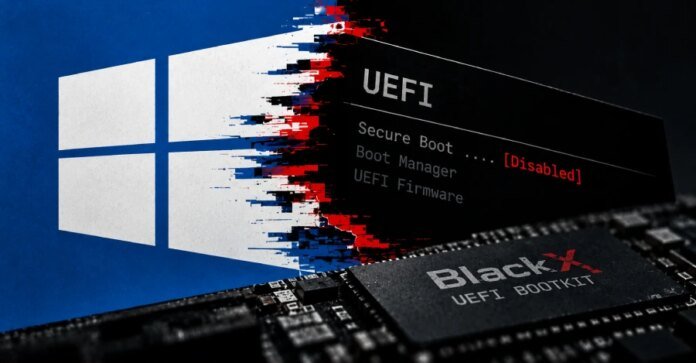
In early 2026, a sophisticated cyber attack targeted diplomatic organizations across Central Asia, specifically in Tajikistan, Uzbekistan, and Turkmenistan. The breach involved a new UEFI bootkit named BlackX, which allowed intruders unprecedented control over compromised systems. According to Kaspersky’s technical report, it is believed that the attack was orchestrated by APT41, a state-sponsored hacking group with links to China. The breach potentially exposed sensitive diplomatic data, intensifying concerns over national security and international relations within these countries. Details about the scale of the breach are still emerging, but the specificity of the targets suggests a well-planned operation aimed at collecting intelligence from key diplomatic entities.
Why This Breach Matters
This incident represents a significant escalation in cyber warfare tactics in the Central Asian region, marking a troubling trend toward increasingly sophisticated supply chain attacks that leverage firmware vulnerabilities. Bootkits like BlackX provide adversaries with deep system access, often remaining undetected long after infiltration, as they can manipulate devices at a lower level than traditional malware. This breach mirrors similar state-sponsored efforts by APT groups worldwide, especially those targeting geopolitical rivals. It emphasizes a shift wherein cyber attacks are not merely financially motivated but are integral to broader strategic objectives, including espionage and political destabilization. Security teams need to understand that the threat landscape is evolving, making traditional defenses inadequate against such advanced persistent threats.
The Attack Chain: How It Likely Unfolded
While details of the attack methodology are scant, we can infer the probable attack chain based on known tactics employed by APT41. Initial access likely came through a spear-phishing campaign targeting specific individuals within the diplomatic organizations. This would align with previous APT41 activities that exploit human elements in security. Once access was gained, attackers could deploy the BlackX bootkit, establishing a foothold low within the system hierarchy. The sophistication of UEFI attacks suggests that lateral movement would be seamless, allowing the adversaries to install additional backdoors or harvesting tools designed for prolonged surveillance. Data exfiltration may have been executed stealthily — using encrypted channels to transfer sensitive information offsite, thus minimizing detection. The dwell time for such sophisticated intrusions is typically significant, leading to a prolonged threat of data compromise without immediate awareness by the victim organizations.
Who Is Most at Risk
This breach predominantly risks countries with weakened cybersecurity infrastructures and those engaged in sensitive diplomatic activities, particularly in regions where geopolitical tensions are high. Organizations within the diplomatic sector, especially smaller embassies with limited security resources and technology stacks lacking sufficient firmware protections, are particularly vulnerable. Furthermore, other sensitive sectors, such as critical infrastructure providers and governmental agencies in less developed nations, could face similar risks if they do not prioritize robust firmware security measures.
Defensive Actions and Recommendations
Security teams must adopt a multi-layered defense approach given the unique nature of UEFI bootkits. Initial actions within the first 24-72 hours should involve a comprehensive review of device firmware across all affected systems, applying firmware updates and patches as necessary. Teams should employ advanced endpoint detection and response (EDR) tools that can monitor for unusual firmware behavior. Longer-term strategies should include:
Firmware Integrity Checks: Implement tools that continuously assess firmware integrity and alert on deviations from expected states.
Zero Trust Architecture: Move towards a Zero Trust model where every device and user is regarded as potentially untrusted until authenticated.
Employee Training: Conduct regular training sessions to inform staff about phishing risks and how to identify suspicious emails and links.
Threat Intelligence Feeds: Subscribe to threat intelligence services that offer insights into emerging UEFI threats and vulnerabilities, tailoring alerts to organizational needs.
- NIST Cybersecurity Framework: Align security practices with frameworks like NIST to establish comprehensive security governance, covering prevention, detection, and response.
Security teams must remain proactive, knowing that sophisticated attackers like APT41 are likely to refine and improve their methods continually.
Regulatory and Legal Exposure
As this breach may involve sensitive diplomatic data, organizations could face legal implications under various regulatory frameworks depending upon the nature of the compromised information. For instance, if exposed data pertains to personal information, GDPR and CCPA may impose strict notification requirements. Moreover, if sensitive information tied to government operations is leaked, it could lead to significant diplomatic repercussions and increased scrutiny from national security entities. Organizations need to engage legal counsel specializing in cybersecurity to navigate their reporting obligations and assess potential liabilities.
Full Circle Cyber Analyst Takeaway
This incident starkly illustrates the importance of securing firmware as a critical layer of defense in organizational cybersecurity strategies. Security practitioners must elevate firmware security from an overlooked aspect to a central component of their defense architectures, as the implications of UEFI vulnerabilities can be profound and far-reaching.

