Voluntary AI Accord Signals New Compliance Paradigm for Tech Organizations Amidst Growing Regulatory Scrutiny
Regulatory Development Summary
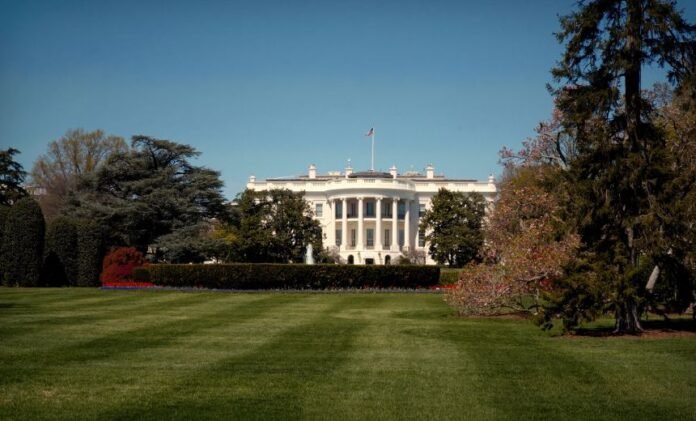
On October 28, 2023, key AI industry leaders entered a Voluntary AI Accord at the White House, aimed at fostering responsible AI development. This initiative, spearheaded by the Biden administration, urges technology companies to adopt self-regulatory practices to mitigate risks associated with artificial intelligence. While this accord is not legally binding, its initiation marks a pivotal moment in the governance of AI technology and reflects increasing regulatory attention on the sector. The accord emphasizes transparency, robust security measures, and ethical guidelines, applicable to tech companies across the United States, particularly those engaged in developing AI products and services. Given the rapid advancement of AI technologies and the potential consequences of their misuse, this accord is positioned as a foundational element in a broader, evolving regulatory landscape.
Who Is Affected and How
The Voluntary AI Accord primarily affects technology firms, particularly startups and established companies involved in AI research, development, or deployment across various sectors including finance, healthcare, and critical infrastructure. Companies developing AI applications that can influence decision-making processes, consumer behavior, or data security are particularly in the spotlight. The key obligations introduced by the accord include a commitment to ethical AI practices, transparency in AI system functions, and proactive measures to prevent misuse. These obligations mark a departure from existing self-regulatory frameworks that have often lacked defined accountability mechanisms, thus compelling organizations to adopt a more structured approach to compliance, even in the absence of formal enforcement.
Key Compliance Requirements Breakdown
For organizations seeking to comply with the Voluntary AI Accord, several essential actions must be undertaken. Key compliance requirements include:
Transparency: Companies must commit to sharing information about AI capabilities, limitations, and applicable use cases with stakeholders and the public.
Risk Assessment: Organizations are required to conduct regular risk assessments for their AI systems, identifying potential harms to individuals and communities and addressing these risks proactively.
Ethical Guidelines: Companies must establish internal guidelines for ethical AI use reflecting principles such as fairness, accountability, and non-discrimination.
Incident Reporting: Although the Accord is non-binding, organizations are encouraged to report significant incidents related to AI, which may set the stage for future regulatory expectations on incident disclosure.
- Training and Awareness: Organizations must implement training programs for employees focused on ethical AI development and risk mitigation strategies.
These requirements can be mapped to existing frameworks such as the NIST Cybersecurity Framework (CSF), where risk assessment principles align with identifying and managing emerging threats, and ISO 27001, which provides guidance on establishing an information security management system that incorporates ethical considerations.
Penalties and Enforcement Landscape
While the Voluntary AI Accord lacks formal punitive measures, its implementation will likely be scrutinized by regulators and the public. Potential enforcement mechanisms may arise as the technology landscape evolves, with regulatory bodies such as the Federal Trade Commission (FTC) likely to establish compliance expectations based on adherence to the accord. Companies that neglect their commitments may face reputational damage and heightened scrutiny from both consumers and regulators, establishing a de facto enforcement landscape shaped by public expectations rather than formal penalties.
Timeline and Implementation Considerations
Organizations should prioritize compliance with the principles outlined in the Accord immediately, with a suggested timeline for implementing initial measures within the next six to twelve months. Organizations are likely to encounter challenges such as limited resources dedicated to AI governance, gaps in technical expertise regarding ethical AI, and dependencies on third-party AI solutions. To navigate these hurdles effectively, firms should focus on integrating these obligations into existing compliance and oversight frameworks rather than viewing the Accord as an isolated initiative.
Strategic Recommendations for Compliance Teams
Quick Wins: Initiate an inventory of existing AI tools and practices to identify areas of non-compliance with the Accord. Establish a task force responsible for overseeing AI compliance.
Long-Term Investments: Invest in training and development programs for personnel focused on AI governance and ethics to build an organizational culture of compliance.
Documentation Practices: Develop comprehensive documentation that demonstrates adherence to the governance principles, including meeting notes from ethical review boards and risk assessment reports, which will stand up to scrutiny in audits.
Stakeholder Engagement: Maintain open communication channels with external stakeholders, including customers and regulators, to foster transparency and build trust.
- Monitor Regulatory Developments: Stay abreast of evolving regulations regarding AI, as the landscape is highly dynamic and public sentiment may influence regulatory actions.
Full Circle Cyber Analyst Takeaway
The Voluntary AI Accord is a significant step towards redefining compliance in the AI sector, reflecting an urgent need for accountability in technology development. Organizations should prioritize their commitments under this accord while preparing for potential future regulations. Consider this initiative a proactive measure against the backdrop of inevitable regulatory evolution; it serves as both a guide and a preliminary framework that will likely inform more enforceable standards in the future. Prioritize developing robust risk management practices and ethical standards that align with broader regulatory expectations.

