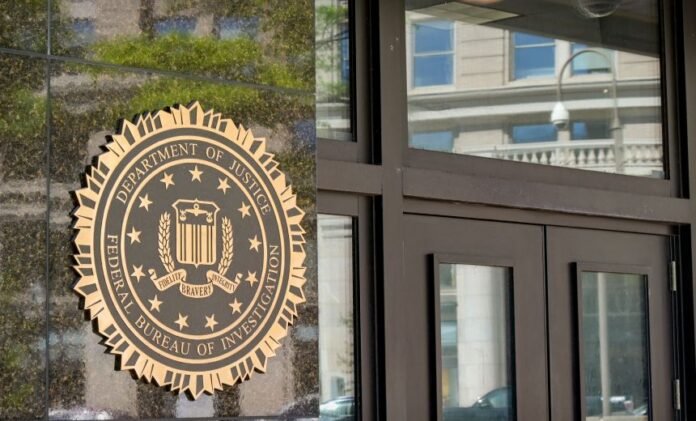
FBI’s Targeted Action Against ShinyHunters Signals Increased Scrutiny on Cyber Extortion Groups
Regulatory Development Summary
The recent detention of 16-year-old Saif al-Din Khader in Jordan follows the earlier arrest of an alleged leader of the ShinyHunters digital extortion group in Amsterdam. This action signifies the FBI’s proactive stance against cybercriminal organizations that target businesses through data breaches and extortion. As cyber threats have escalated, particularly from groups like ShinyHunters—which reportedly compromised over 140 entities, including critical data on FBI personnel—law enforcement agencies are intensifying their efforts to dismantle these networks. The jurisdictional reach of this development spans global law enforcement collaboration, emphasizing the increasing risks facing organizations worldwide, especially in the sectors they target.
Who Is Affected and How
Organizations across multiple sectors, particularly those involved in technology, healthcare, and financial services, are notably vulnerable to the tactics employed by cybercriminals like ShinyHunters. With an expanding digital footprint, these businesses face new obligations to bolster their cybersecurity protocols and incident response strategies amidst evolving regulatory scrutiny. Companies that handle sensitive information, intellectual property, or are considered critical infrastructure can expect increased pressure to demonstrate compliance with data protection regulations, such as the General Data Protection Regulation (GDPR) in Europe and industry-specific mandates like the Health Insurance Portability and Accountability Act (HIPAA) in the U.S. The heightened awareness surrounding such incidents necessitates tighter operational controls and a reevaluation of existing security frameworks.
Key Compliance Requirements Breakdown
Organizations must implement a series of actionable compliance measures to counteract the threats posed by cyber extortion groups. Key requirements include:
Strengthened Data Protection Measures: Companies should enhance encryption protocols for sensitive data, conduct regular vulnerability assessments, and ensure multi-factor authentication across user accounts.
Incident Response Planning: Develop comprehensive incident response plans that include scenarios of data breaches and extortion attempts. These plans must outline step-by-step procedures for incident containment, communication, and remediation.
Regular Security Training: Initiate ongoing training programs for employees to promote awareness of phishing schemes and social engineering tactics often used by cybercriminals.
- Third-Party Risk Management: Assess and mitigate risks associated with third-party vendors who may have access to sensitive data. This could include implementing strict access controls and conducting security audits.
Mapping these requirements to established frameworks like the NIST Cybersecurity Framework (CSF) and ISO 27001 can enhance compliance efficacy. For instance, implementing NIST CSF Identity Management practices supports stronger access control measures necessary to mitigate unauthorized data access.
Penalties and Enforcement Landscape
Regulators and law enforcement agencies are expanding their focus on penalizing organizations that fail to adequately protect sensitive data. This could take the form of hefty fines, remedial actions, or even criminal charges against responsible parties. One notable precedent is the cyber extortion case involving the ransomware group REvil, which saw extensive prosecution efforts leading to severe penalties for the organization’s members. This trend suggests a growing emphasis on accountability, wherein organizations must ensure compliance to avoid severe repercussions related to data breaches.
Timeline and Implementation Considerations
Organizations should anticipate a shift towards tighter regulatory compliance timelines as authorities enhance their vigilance against cybercrime. Companies are advised to conduct gap analyses of their current cybersecurity measures in light of these developments. One significant challenge may be the scarcity of skilled cybersecurity personnel, which can impede the development and execution of robust incident response strategies. Additionally, integrating security enhancements with existing technical infrastructures may present resource allocation hurdles, requiring well-planned investment in technology upgrades and human capital.
Strategic Recommendations for Compliance Teams
To successfully navigate this evolving landscape, compliance teams should prioritize the following actions:
Conduct a Comprehensive Risk Assessment: Identify and document critical assets, vulnerabilities, and current resiliency strategies, tailoring them to specific threats like those posed by ShinyHunters.
Enhance Documentation Practices: Maintain meticulous records of training sessions, incident response drills, and compliance efforts to provide strong evidence during potential audits.
Invest in Continuous Improvement: Allocate resources to regularly update and enhance cybersecurity measures and response plans, reflecting the latest threat intelligence and regulatory developments.
Foster Cross-organizational Communication: Engage with IT, legal, and executive teams to ensure cohesive strategies that align cybersecurity with business objectives while addressing compliance requirements.
- Incident Simulation Drills: Conduct regular simulations of cyber attack scenarios to test the preparedness of the incident response team and refine the process based on observed deficiencies.
Full Circle Cyber Analyst Takeaway
The recent developments surrounding the ShinyHunters group highlight an urgent call to action for organizations concerned about cybersecurity and regulatory compliance. This isn’t merely a signal of heightened risk; it represents a clarion call for improved defensive strategies. Companies must prioritize evolving their cybersecurity architecture and response mechanisms to mitigate risks associated with cyber extortion and adequately prepare for the increasing scrutiny from regulators and law enforcement.

