Machine Learning’s Blind Spot: Threat to Internal Systems Revealed by OpenAI Breach
What Happened
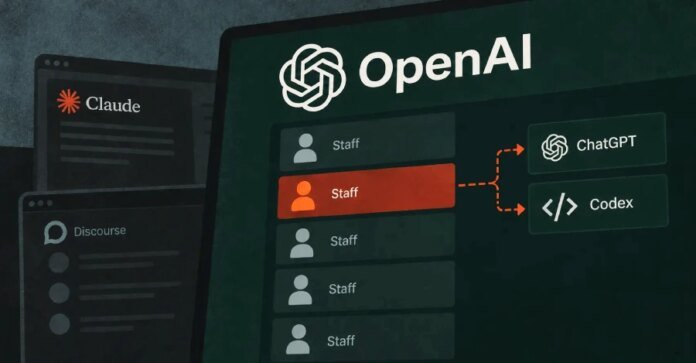
In a significant security incident, three researchers from Hacktron exploited vulnerabilities in OpenAI’s systems to gain unauthorized access to employee accounts associated with ChatGPT and Codex, leading to potential access to an internal code repository. The breach commenced with a flaw in the software underpinning OpenAI’s public help forum, which provided a gateway into their login system. This two-step attack was a demonstration of security research, exposing weaknesses that could affect any organization developing machine learning technologies. Although specific numbers regarding the compromised accounts or data impacted remain undisclosed, the incident emphasizes systemic vulnerabilities inherent in many tech companies. The timeline of events is critical: the researchers reportedly discovered the flaws and executed their exploit without immediate detection, highlighting potential lapses in monitoring and response strategies within OpenAI.
Why This Breach Matters
The OpenAI breach underscores a broader issue in the tech sector — the intersection of artificial intelligence development and cybersecurity vulnerabilities. It reflects a growing trend where threat actors are increasingly leveraging advanced tools and methodologies, which often outpace traditional security measures. This incident follows similar breaches where flaws in user-facing applications have paved the way for internal compromises, shifting the focus to organizational security layers that protect sensitive internal resources. Given that the attack exploited public-facing components, it serves as a dire indication that many enterprises could be at risk from the same attack vector, especially those that have not yet implemented rigorous security hygiene for external platforms. As organizations integrate AI technologies into their workflows, the implications of this breach highlight urgent security concerns that must be addressed.
The Attack Chain: How It Likely Unfolded
While details regarding the exact technical execution of the attack remain sparse, we can infer probable methodologies based on the reported vulnerabilities. Initially, the hackers took advantage of a flaw in OpenAI’s help forum software — a common entry point in modern web applications. This vulnerability likely allowed them to compromise accounts or redirect authentication processes. Upon breaching the forum’s security, the researchers then utilized weaknesses in OpenAI’s login system to escalate privileges and access internal repositories. Given the nature of the attack, lateral movement within the network may have involved credential harvesting tactics, such as session hijacking or exploiting password reset mechanisms, generally prevalent in multi-layered authentication schemes. Such an approach maximizes dwell time by minimizing detection, indicating that the internal monitoring systems either lacked visibility or were ineffective in identifying unusual access patterns in real-time.
Who Is Most at Risk
Organizations heavily invested in AI and machine learning, especially those with public-facing applications, should be especially vigilant following this breach. Technology companies handling sensitive data, including personal information and proprietary algorithms, are at heightened risk; they share similarities with OpenAI’s operational framework. Industries such as fintech, healthcare, and cloud services, where the compromise of user accounts could lead to significant data exposure and operational disruptions, must reassess their security postures. With reliance on forums and support channels increasingly becoming gateways to internal networks, any organization utilizing software for user support must prioritize hardening these systems to prevent similar vulnerabilities.
Defensive Actions and Recommendations
In response to the tactics displayed in the OpenAI incident, security teams should consider the following prioritized actions:
Immediate Actions (24-72 hours):
- Conduct an Incident Response Assessment: Review current authentication processes for public-facing applications. Focus on identifying gaps that may allow unauthorized access.
- Update and Patch Vulnerabilities: Immediately apply security patches for known vulnerabilities in user interfaces and backend systems.
- Enhance Monitoring: Implement enhanced logging and real-time alerts for user actions that deviate from normal patterns, particularly in high-risk areas like account management and support systems.
Long-term Strategic Recommendations:
- Adopt a Zero-Trust Framework: Embrace a zero-trust model to ensure that every user, both inside and outside the network, is continuously authenticated and validated before being granted access to sensitive resources.
- Implement Comprehensive Security Awareness Training: Regularly train employees on recognizing and reporting potential phishing attacks, which can target both public forums and internal login systems.
- Conduct Regular Penetration Testing and Vulnerability Assessments: Frequent assessments can help to uncover and remediate vulnerabilities in both public-facing and internal systems, offering a proactive approach to security.
Utilizing frameworks such as NIST and the CIS Critical Security Controls can provide a structured foundation for implementing these measures effectively.
Regulatory and Legal Exposure
The OpenAI incident raises substantial compliance and regulatory considerations, particularly if personal data was involved in the compromised accounts. Depending on the geography of operation, applicable compliance frameworks like the General Data Protection Regulation (GDPR) and the California Consumer Privacy Act (CCPA) could mandate timely disclosure to affected individuals and authorities. Furthermore, if the breach involved financial data, organizations could face scrutiny under the Payment Card Industry Data Security Standard (PCI-DSS). Breached organizations should prepare for potential fallout, including fines, legal scrutiny, and loss of consumer trust, emphasizing the need for robust data protection measures.
Full Circle Cyber Analyst Takeaway
The OpenAI breach serves as a critical reminder that even the most advanced tech companies are not immune to fundamental security oversights. Organizations must prioritize security hygiene within all publicly accessible systems, recognizing that the risk of a breach can stem from the most innocuous interfaces if not correctly secured. Building resilience against emerging threats requires vigilance, layered defenses, and an organizational culture committed to proactive cybersecurity measures.

