Exploiting Trust: Critical Flaw in Check Point’s Security Management Server Exposed in Targeted Attacks
What Happened
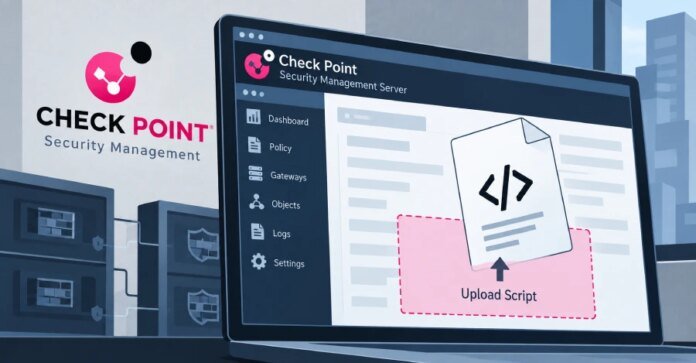
On July 23, 2023, a significant data breach was reported, targeting Check Point’s Security Management Server (SMS) through an unpatched vulnerability, CVE-2026-93616. This critical flaw allows an unauthorized attacker to execute scripts on the server’s web service without needing to authenticate, potentially compromising network security for any organizations relying on this management tool. While Check Point has not disclosed the exact scale of affected organizations, the nature of the vulnerability points to a risk exposure that could impact numerous enterprises globally who utilize Check Point’s suite of cybersecurity products. The company confirmed the vulnerability and subsequently released a patch on September 22, 2023, following an urgent need to address the threat posed by these coordinated attacks.
Why This Breach Matters
The Check Point incident highlights a growing trend of exploiting zero-day vulnerabilities in security management tools—a critical component often viewed as a fortress against external threats. Similar recent incidences, including breaches affecting major firewall and endpoint security products, indicate a troubling pattern where adversaries launch targeted attacks against the security infrastructures themselves. This breach not only raises concerns about the integrity of Check Point security solutions but may also signal a shift where attackers increasingly pivot from traditional targets to the very tools intended to protect against them. Organizations must assess their trust in current security frameworks and remain vigilant about vulnerabilities in their defense mechanisms that could be weaponized.
The Attack Chain: How It Likely Unfolded
While official disclosures about the attack mechanics remain sparse, we can infer a probable sequence based on similar incidents and the nature of the CVE-2026-93616 vulnerability. Initial access likely began with attackers probing for exposed web services associated with Check Point’s SMS. Once access was secured, the attackers exploited the flaw to execute scripts directly on the server, potentially allowing them to rewrite security policies or exfiltrate sensitive configuration data. Such a move could lead to lateral movement within the victim’s network, jeopardizing other connected systems, including data repositories and endpoint devices. Given the nature of this exploit, dwell time may have been significantly extended as these threat actors could remain undetected while manipulating configurations or extracting intelligence that would facilitate further attacks.
Who Is Most at Risk
Organizations utilizing Check Point products are at heightened risk, especially those within regulated sectors such as finance, healthcare, and critical infrastructure where security management systems are essential. Any enterprise relying on the security management server for firewall policy control or threat monitoring would be vulnerable if they were not responsive to vulnerabilities like CVE-2026-93616. Smaller firms may lack the security apparatus necessary to effectively monitor or patch vulnerabilities promptly, putting them at an even greater disadvantage.
Defensive Actions and Recommendations
In the wake of this breach, security teams should prioritize immediate and strategic actions to mitigate similar risks.
Immediate Actions (24–72 hours):
- Patch Management: Ensure the implementation of the emergency patch released by Check Point for CVE-2026-93616. Verify that all systems using the SMS are updated.
- Access Monitoring: Review access logs and user activities on the SMS for any suspicious behavior or unauthorized access attempts.
- Network Segmentation: Isolate the SMS from other network segments to minimize lateral movement in case of compromise.
Long-term Strategic Actions:
- Vulnerability Management: Implement a robust vulnerability management program based on the NIST Cybersecurity Framework, focusing on continuous assessment and remediation of flaws in critical infrastructure components.
- Security Policies: Regularly review and strengthen security configurations and policies to prevent unauthorized changes to firewall rules and network settings.
- Incident Response Planning: Enhance incident response capabilities, ensuring teams are trained to handle breaches that affect core security services, including having playbooks specific to management server vulnerabilities.
Regulatory and Legal Exposure
This breach may subject Check Point and its clients to significant regulatory exposure, particularly under frameworks such as PCI-DSS and GDPR, if personal data is involved. Organizations leveraging Check Point solutions need to understand their notification obligations to customers and regulators due to the compromise, especially in sectors that handle sensitive data. Check Point must also evaluate its potential liability regarding failure to secure its systems adequately.
Full Circle Cyber Analyst Takeaway
The Check Point breach emphasizes an urgent need for organizations to reassess their trust in security management tools. Cybersecurity is no longer solely about defending against external threats; it’s about recognizing that the tools designed to protect can themselves become entry points for attackers. Proactive vigilance, patch management, and comprehensive vulnerability assessments must become standard practice to safeguard against future exploits of this nature.

