Zero-Day in Node.js: A Critical Breach Exposing Millions of Applications to Malicious Code Execution
What Happened
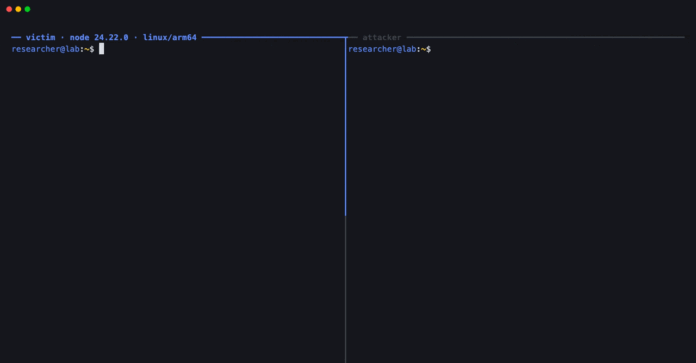
A significant security vulnerability has emerged within Node.js, specifically affecting the official build of version 24.22.0 for Linux arm64 systems. Security researchers at Imperva revealed that the flaw, tagged as CVE-2026-111497, could allow attackers to execute arbitrary code by exploiting the Brotli compression algorithm used within Node.js. The vulnerability, demonstrated through their "Node2Shell" proof of concept, showed that with specially crafted malicious data, an attacker could manipulate the Brotli decoder to run unauthorized code without requiring any modifications to the Node.js environment.
The discovery timeline highlights that this vulnerability is not only technical but poses a major risk given the extensive use of Node.js in both enterprise and cloud environments. Developers relying on this popular server-side platform are now urged to assess their systems immediately due to the potential scale of affected applications, many of which handle sensitive operations in critical infrastructures.
Why This Breach Matters
The emergence of CVE-2026-111497 represents a troubling shift in the threat landscape, particularly regarding supply chain vulnerabilities in widely-used software packages. Node.js, being a core language for many web applications, presents a lucrative target for attackers. This vulnerability aligns with a pattern seen in recent exploits where attackers leverage inherent weaknesses in widely adopted frameworks and libraries.
Compared to other breaches, this incident’s severity is underscored by the possibility of remote code execution (RCE) which fundamentally allows attackers an open door to fully compromise server environments. As applications increasingly embrace microservices and serverless architectures, which often rely on numerous third-party libraries, the implications of this breach will likely resonate across the entire ecosystem, posing a pervasive risk that mirrors incidents such as the Log4j vulnerability experienced in the Java ecosystem.
The Attack Chain: How It Likely Unfolded
While detailed specifics about the attack chain have yet to be disclosed, we can outline a probable scenario based on existing knowledge. The attack likely began with an initial reconnaissance phase, where an attacker identifies vulnerable systems running Node.js. Following this, the exploitation of the flaw in the Brotli implementation would enable the attacker to craft malicious input designed to trigger the vulnerability.
Once the malicious payload is injected into a running application, the Brotli decoder could execute the attacker’s code, leading to lateral movements within the server environment. Depending on the application’s architecture, this could provide further access to databases and user credentials, thereby escalating the breach. The dwell time—how long the attacker maintains presence in the system—could be prolonged given the low visibility of such attacks, especially if developers fail to apply immediate patches or if monitoring solutions do not detect unusual behaviors stemming from trusted applications.
Who Is Most at Risk
Organizations within the tech industry, especially those developing or deploying applications built on Node.js, are most exposed to this vulnerability. This includes:
Web Development Firms: Those relying heavily on Node.js for backend services are at immediate risk, particularly if they have not enforced strict code review and dependency management practices.
Cloud Service Providers: Firms using Node.js as part of their Platform-as-a-Service (PaaS) offerings must urgently reassess and patch their systems to avoid exploitation of the vulnerability.
- Startups and Enterprises: Companies of all sizes that use Node.js, regardless of sector, may face exposure, particularly if they utilize outdated dependencies within their applications.
Additionally, organizations that have not implemented robust application security practices — such as code scanning, runtime protection, and continuous monitoring — are especially vulnerable.
Defensive Actions and Recommendations
In light of this serious vulnerability, security teams must act decisively to mitigate risks stemming from CVE-2026-111497. Here’s a prioritized response plan:
Immediate Actions (24–72 hours):
- Patch Deployment: Upgrade to the latest version of Node.js where the vulnerability is fixed. Monitor official Node.js channels for updates.
- Threat Hunting: Initiate a targeted hunt for indicators of compromise (IoCs) related to unexpected behaviors or unauthorized processes on applications using Node.js.
- Input Validation: Employ stricter input validation and output encoding practices to mitigate exploitation attempts.
Long-term Strategies:
- Dependency Management: Utilize tools such as Snyk or npm audit to regularly review and update dependencies, ensuring software libraries are secure and current.
- RASP (Runtime Application Self-Protection): Implement RASP solutions to detect and block malicious payloads before they can exploit vulnerabilities in real-time.
Framework Integration: Leverage secure coding practices outlined in NIST SP 800-53 and CIS Controls to enhance development processes and reduce vulnerabilities before deployment.
- Training and Awareness: Regularly conduct training sessions to ensure developers are aware of emerging threats, particularly those specific to JavaScript and its frameworks.
Regulatory and Legal Exposure
Organizations impacted by this breach must be cognizant of compliance implications, particularly if sensitive user data is involved. Depending on their location and operational nature, various regulations could apply, including GDPR’s stringent mandates for data breach disclosure or CCPA’s consumer protection standards. Companies should be prepared to notify affected stakeholders and regulatory bodies within required time frames, failing which could impose hefty fines and reputational damage.
Full Circle Cyber Analyst Takeaway
The revelation of CVE-2026-111497 serves as a stark reminder of the interconnectedness of modern software development. Organizations need to prioritize proactive software security frameworks and vulnerability management processes, as well as continuously educate teams on the potential impact of such vulnerabilities. The time for complacency is over; defense-in-depth strategies are not merely best practices but necessities in today’s vulnerable application landscape.

