Misuse of Personal AI Accounts: A Growing Risk to Organizational Data Security
Attack Summary
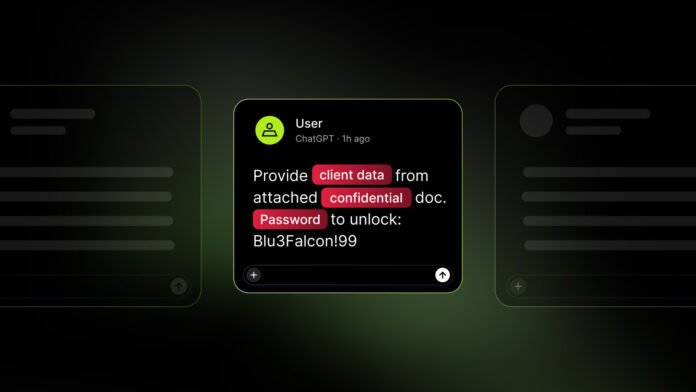
The rise of generative AI tools like ChatGPT has introduced a significant threat vector for organizations as employees increasingly use personal accounts for work-related tasks, bypassing corporate controls. While the exact scale of this behavior remains unclear, the risk lies primarily in inadvertent data exposure. IT teams are particularly concerned about sensitive company information being shared within these unauthorized, non-compliant platforms. Without adequate governance, this practice can lead to espionage risks, loss of intellectual property, and potential regulatory violations. While incidents of significant data loss related to personal AI account usage have not been formally attributed to advanced persistent threats (APTs), the emerging patterns indicate an escalating vulnerability amid the casual adoption of AI tools.
Tactics, Techniques, and Procedures (TTPs)
The misuse of personal ChatGPT accounts can be classified under several relevant tactics in the MITRE ATT&CK framework. The initial access vector, in this case, involves human factors rather than technical exploits. Employees inadvertently engaging AI tools without corporate oversight reflect a failure in User Awareness Training (T2025). Once confidential data is input by users into personal AI accounts, it lacks the control mechanisms typically enforced within an enterprise environment, effectively bypassing any existing endpoint detection measures.
Persistently, this type of risky behavior demonstrates a cultural acceptance that can lead to widespread use of unapproved applications (T1187). On the Command and Control (C2) side, there is no traditional infrastructure to monitor; however, anomalous traffic to known AI service endpoints should raise flags. Furthermore, organizations may struggle with data exfiltration detection, as sensitive data may be written into these tools without any behavioral alerts being triggered.
Threat Actor Context
While no specific threat actor has been identified in relation to the general misuse of generative AI, the trend aligns with broader patterns of insider threat and negligent employee behaviors that compromise organizational security. Employees may intentionally or unintentionally share proprietary information or sensitive data, reflecting a lack of understanding of the confidentiality implications of using personal tools for business purposes. This behavior may also be guided by remote work policies and a flexible approach to technology adoption, indicating a gap in the enforcement of security policies regarding data handling and AI tool usage.
Indicators of Compromise (IOCs)
Currently, there are no direct IOCs associated with unauthorized AI tool usage, as these incidents often manifest through unmonitored behaviors rather than through traditional malware signatures. However, organizations should monitor for the following signs:
- Unusual outgoing connections to AI service providers.
- High frequency of data transfers coinciding with employee access patterns to these services.
- Keywords or data patterns indicative of sensitive information being processed.
Detection and Hunting Guidance
To detect unauthorized usage of personal AI accounts, security teams should focus on the following strategies:
- Implement robust logging to track outbound traffic to known generative AI endpoints. Mark connections to specific domains associated with AI services (e.g., openai.com).
- Develop SIEM detection rules targeting anomalies in user behavior, such as sudden spikes in uploads or text inputs containing sensitive terms (e.g., "confidential", "proprietary").
- Deploy Data Loss Prevention (DLP) solutions that flag and prevent sensitive data from being transmitted to non-approved services.
- Conduct regular audits of application access logs to identify and remediate unauthorized tools being accessed on company devices.
Mitigation Recommendations
Organizations should prioritize the following mitigations to reduce the risk associated with personal AI accounts:
- User Awareness Training: Implement mandatory training programs to educate employees on the risks of providing sensitive information to unauthorized applications.
- DLP Policies: Deploy Data Loss Prevention solutions configured to monitor outgoing data streams for keywords or patterns associated with sensitive data and block access to known AI service endpoints from corporate networks.
- Policy Enforcement: Define clear usage policies around AI tools, explicitly prohibiting personal accounts for work-related AI tasks, and communicate the consequences of non-compliance.
- Access Controls: Use identity and access management solutions to ensure that employees can only access approved applications and services.
Full Circle Cyber Analyst Takeaway
The trends emerging from personal AI account misuse signal a critical junction in organizational cybersecurity management. Companies must address the cultural and procedural gaps that encourage the unauthorized sharing of sensitive information. As AI tools become ubiquitous in everyday business activities, the need for comprehensive policies governing technology use and data protection is paramount to mitigating this evolving threat landscape. Organizations without robust frameworks risk significant data exposure, leading to operational and reputational damage.

