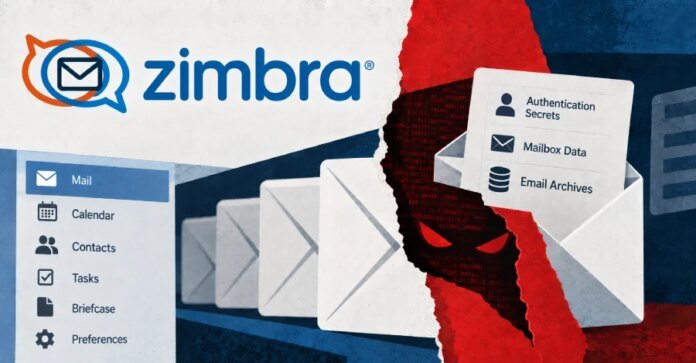
Critical Vulnerability in Zimbra Collaboration Suite Exposes Mailbox Data to Threat Actors
What Happened
A significant data breach has been reported involving the Zimbra Collaboration Suite (ZCS), affecting organizations that rely on this email and collaboration platform. The breach occurred due to the exploitation of a high-severity vulnerability, CVE-2026-73570, rated 8.9 on the CVSS scale. This unauthenticated operating system command injection flaw enabled attackers to deploy web shells and gain unauthorized access to mailbox data. Microsoft Security Research uncovered this breach, revealing that threat actors leveraged the security gap before it was patched, thus compromising sensitive information. Organizations employing ZCS need to consider the scale of the breach, as it potentially impacts numerous entities that manage critical communications through this suite.
Why This Breach Matters
This incident is alarming as it illustrates an evolving threat landscape characterized by the exploitation of critical vulnerabilities shortly after their disclosure. The rapid abuse of CVE-2026-73570 highlights an urgent trend where threat actors are not only refining their tactics but also increasing their speed of attack. Comparatively, this breach reflects the tactics seen in recent incidents involving collaboration tools, which have gained traction as preferred targets during the recent shift to remote work. As organizations continue to accelerate digital transformation, the reliance on such collaboration platforms presents numerous attack vectors. Security teams must recognize that these incidents potentially form a pattern, which could inform their threat modeling and incident response strategies.
The Attack Chain: How It Likely Unfolded
While specific details regarding the attack methodology may still be unfolding, we can outline a plausible attack chain based on what we know. Initial access likely occurred through exploitation of the CVE-2026-73570 flaw, allowing threat actors to gain footholds without authentication. Once infiltrated, attackers could deploy web shells to establish persistence and facilitate lateral movement within the victim’s network. Data exfiltration may have occurred as attackers accessed mailbox data through these web shells, allowing them to siphon off critical emails and documents. Dwell time—the period the adversaries maintained access unnoticed—is yet to be disclosed, but given the sophistication of such attacks, it is expected that they would have maintained their presence long enough to siphon sensitive data before detection.
Who Is Most at Risk
Organizations in sectors such as education, healthcare, and professional services are particularly vulnerable to breaches like this, primarily due to their reliance on ZCS for communication and collaboration. Companies with fewer resources allocated to cybersecurity, especially small to mid-sized businesses, may lack the robust protective measures necessary to fortify against such high-severity incidents. Additionally, any organization utilizing older versions of ZCS that have not been patched or updated is at an increased risk. The exposure of sensitive information, ranging from personal data to proprietary communications, can have serious repercussions for these entities.
Defensive Actions and Recommendations
In light of this breach, security teams must act swiftly and strategically to mitigate risks associated with similar vulnerabilities. Immediate actions (within 24–72 hours) should include:
Patch Vulnerabilities: Ensure that all instances of Zimbra Collaboration Suite are updated to the latest version to mitigate the CVE-2026-73570 vulnerability as well as any others that may be present.
Conduct Security Assessments: Perform thorough assessments and vulnerability scans focusing on web applications and collaboration tools to identify any potential weaknesses.
- Monitor Logs and Intrusions: Enhance monitoring of system logs for any anomalous activities indicative of web shell deployment or unauthorized access.
In the longer term (one month and beyond), prioritize the following strategies:
Implement a Defense-in-Depth Strategy: Adopt multiple layers of security controls including web application firewalls and intrusion detection systems. Explore tools that integrate threat intelligence to safeguard against known vulnerabilities.
User Education: Foster a culture of security awareness, particularly around phishing attempts and social engineering that often precede such technical exploits.
- Regular Risk Assessments: Consider frameworks such as NIST Cybersecurity Framework or CIS Controls to continually evaluate and improve your cybersecurity posture.
Regulatory and Legal Exposure
Organizations impacted by this breach may face various compliance ramifications depending on the industry sector. If sensitive personal data was compromised, entities could be subject to GDPR or CCPA obligations regarding notification and remediation. Specific regulations like HIPAA for healthcare-related breaches require strict adherence to reporting timelines. Organizations must review their data protection policies and ensure compliance to limit potential financial penalties and legal exposure associated with both internal and external investigations.
Full Circle Cyber Analyst Takeaway
This data breach is a potent reminder that organizations must not only patch vulnerabilities swiftly but also remain vigilant against evolving attack methodologies. Security teams should take this incident as a call to action to bolster their incident response and threat intelligence capabilities, ensuring they are prepared for the next wave of targeted attacks on critical tools and services they use daily.

