

In today’s digital age, data breaches are becoming increasingly common, and organizations face tough decisions on how to respond when such incidents occur. One of the most critical choices they must make is whether to disclose the breach to the public and the media. Unfortunately, some entities opt for silence or denial, which can lead to dire consequences.
When organizations refuse to confirm or deny a data breach and do not respond to inquiries from journalists, they relinquish control of the narrative to threat actors. In situations like these, those who exploit vulnerabilities have a significant advantage; they can paint the organization as indifferent, incompetent, or even as covering up a serious situation. As a result, losing transparency can severely damage trust with patients, customers, and stakeholders.

Take, for instance, Virginia Urology (VU) located in Richmond, Virginia. This well-established medical practice operates seven office locations and has an accredited ambulatory surgery center. Recently, they found themselves in a precarious situation when a group of hackers identified as MS13-089 announced that they had breached the organization, exfiltrating a staggering 927 GB of data on November 9.
Threat actors often highlight their triumphs, and in this case, they created a dark web leak site showcasing a file tree along with a sample of the stolen data. An alarming element of this incident is the response—or lack thereof—from Virginia Urology. When DataBreaches sought clarification, the spokesperson’s reply was chilling: “We didn’t encrypt them so as not to harm the patients.” This shocking admission raises significant ethical questions about patient data protection.
Further complicating the matter, the spokesperson attempted to clarify their organization’s identity, distancing themselves from the notorious MS-13 gang while claiming to be developers of a cybersecurity threat known as the MS-13 virus. They asserted that their team is composed of highly skilled specialists with connections to other infamous hacking groups. This brings to light how the hacker culture intersects with cybersecurity awareness, trust, and public perception.
Upon inspecting the sample files provided by the hackers, it became evident that the compromised data includes extensive protected health information (PHI). This is particularly concerning, as data leaks in the medical sector can lead to dire ramifications for patient confidentiality and trust. The files contained personal identifiers such as patients’ first and last names, dates of birth, and medical histories, all stored in plain text and easily accessible.
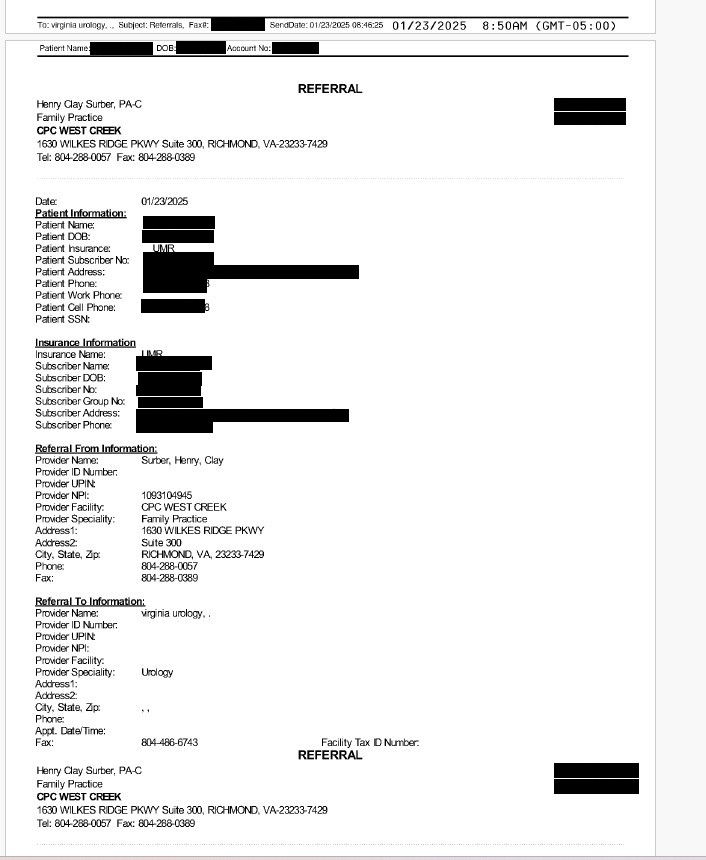
Within the captured documents, there were detailed medical reports including surgical histories, diagnostic results regarding erectile dysfunction, and even sensitive information on mental health screenings. This level of detail poses a significant risk not only to the involved patients but also undermines the integrity of Virginia Urology as a reliable healthcare provider. With the data publicly available, the potential for identity theft becomes alarmingly high.
One might wonder why a reputable establishment like Virginia Urology would remain silent in the face of such a serious breach. Their response—or lack thereof—sends stark signals about their priorities. Have they opted to remain quiet as a strategy to mitigate damage, or is there indeed a lack of concern for patient data? DataBreaches attempted to reach out to VU multiple times through LinkedIn to inquire about their stand on the matter, yet they received no response. Their website and social media channels remain devoid of any acknowledgment regarding the hack, raising further questions about accountability and transparency.
Without a clear response or communication regarding the breach, Virginia Urology risks appearing as though they are trying to hide information from affected patients. This kind of image can severely impact trust and loyalty from both current patients and prospective ones. Modes of crisis communication are crucial in healthcare, where trust is a foundational element of the patient-provider relationship.
As the digital landscape evolves, so too must the protocols around data privacy and breach responses. Organizations, especially those handling sensitive health information, need to be proactive, transparent, and prepared to support affected individuals when breaches occur. Anything less can contribute to a degradation of public trust and could have lasting repercussions for the entire industry.

