The Legal Stakes of Digital Identity: Implications of Patent Infringement in Authentication Technologies
Regulatory Development Summary
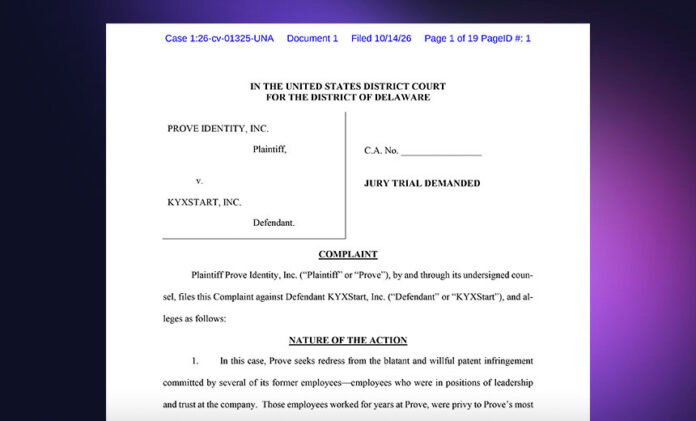
The recent lawsuit filed by Prove against KYXStart underscores significant legal concerns surrounding digital identity authentication technologies. Prove claims that former senior employees, now part of KYXStart, have facilitated the development of infringing products that violate two of its patents. This lawsuit, initiated in a Delaware court, highlights Prove’s assertion that KYXStart has not only breached patent rights but also contractual agreements intended to prevent such conflicts. The issue lies at the intersection of intellectual property rights and competitive practices within the tech sector, particularly affecting companies involved in digital identity verification systems. As this case unfolds, it may set important legal precedents about employee mobility and the protection of proprietary technologies in an increasingly competitive market for digital identity solutions.
Who Is Affected and How
This litigation primarily impacts organizations in the technology sector, specifically those focusing on identity verification and authentication services. Companies in sectors such as financial services, healthcare, and online retail—where understanding and managing digital identities is crucial—may also feel the ripple effects. Any organization utilizing or developing technology related to digital identity could be scrutinized under similar claims of patent infringement. The allegations put forth by Prove introduce new compliance considerations for firms regarding the protection of intellectual property, adherence to employee contractual agreements, and robust protection of proprietary technologies. Firms now face heightened risks in their hiring practices and may need to bolster their internal policies to safeguard against potential claims stemming from employee transitions between competitors.
Key Compliance Requirements Breakdown
Organizations in the digital identity space must take proactive measures to address the implications of this lawsuit by implementing stringent compliance frameworks to guard against potential patent infringement claims. Key requirements may include:
Employee Agreements: Review and strengthen non-disclosure and non-compete agreements for employees, especially sensitive roles involved in technology development, ensuring they are enforceable and designed to protect proprietary knowledge.
Intellectual Property Audits: Conduct regular audits of existing patents and technologies to pinpoint areas of vulnerability and to ensure compliance with intellectual property laws.
Contractual Due Diligence: Establish processes for due diligence when hiring former employees of competitors, including assessments of any ongoing obligations they may have regarding their previous employer’s intellectual property.
- Enhanced Training: Offer training programs for employees on intellectual property (IP) rights and the implications of patent infringement, emphasizing the importance of understanding proprietary technology boundaries.
These actions can be aligned with existing frameworks such as ISO 27001 for information security management and NIST CSF for cybersecurity risk management, which provide foundational structures for protecting sensitive information and ensuring compliance.
Penalties and Enforcement Landscape
The enforcement landscape related to patent infringement can be aggressive, with significant financial penalties at stake. If Prove succeeds in its litigation, KYXStart could face compulsory licensing agreements or royalties as part of the judicial ruling. The history of similar cases indicates that damages awarded can reach millions, depending on the extent of the infringement and the impact on Prove’s competitive position. Legal precedents suggest that courts are increasingly punitive toward companies found to have willfully infringed on patents, signifying a trend towards stricter enforcement actions in the tech sector. Organizations must, therefore, remain vigilant about their IP compliance programs, as any misstep could lead to costly litigation or operational disruptions.
Timeline and Implementation Considerations
Organizations need to act quickly to assess their current compliance posture in light of this lawsuit. Companies should prioritize a comprehensive review of all existing employee contracts and ongoing projects that may involve intellectual property concerns. One of the foremost implementation challenges will arise from resource constraints—as compliance teams may require additional staffing or expertise to conduct audits and implement training programs effectively. Technical gaps in identifying potentially infringing technologies may also pose a risk, especially in rapidly evolving digital environments. Additionally, firms that work with third-party vendors must ensure that these relationships do not inadvertently expose them to patent violations, necessitating diligent oversight of third-party contracts and practices.
Strategic Recommendations for Compliance Teams
Conduct a Risk Assessment: Immediately evaluate the organization’s exposure to potential patent infringement claims, focusing on R&D activities and employee transitions.
Revise Employee Agreements: Ensure all agreements with employees are robust, emphasizing clear communication of IP rights and obligations.
Develop an IP Protection Program: Establish a dedicated program to protect intellectual property that includes regular training and awareness initiatives for employees.
Create Monitoring Mechanisms: Implement processes to monitor competitor activities related to product development in the digital identity space, allowing for timely responses to emerging risks.
- Engage Legal Counsel Early: Involve legal experts in the development of compliance strategies and review of any potential hiring scenarios involving former employees of competitors.
These recommendations should build on existing security controls and frameworks, ensuring that organizations not only comply with legal obligations but also foster a culture of responsibility regarding intellectual property.
Full Circle Cyber Analyst Takeaway
This lawsuit represents a pivotal moment for organizations engaged in digital identity technologies, serving as a stark reminder of the complexities surrounding patent rights and competitive practices. Companies should prioritize the strengthening of their IP protection measures and employee agreements while preparing for potential legal scrutiny. As the landscape evolves, developing a proactive compliance strategy will be critical to safeguarding against increasing regulatory and competitive threats.

