ShinyHunters Escalates Campaign Following Arrest of Key Associate, Targeting Law Enforcement and Ransomware Groups
Attack Summary
The cybercriminal group ShinyHunters has intensified its operations following the recent arrest of Pepijn van der Stap, a 24-year-old convicted hacker previously involved with the group. Suspected of facilitating data breaches and extortions, van der Stap was taken into custody by Dutch authorities, leading to a swift escalation in ShinyHunters’ activities, including a bold breach of the FBI’s job application site and extortion attempts against the Russian ransomware group Cl0p. The FBI incident resulted in the theft of sensitive personal data, including Social Security numbers of over 5,000 officials. The group leveraged vulnerabilities in Oracle’s PeopleSoft, notably exploiting CVE-2026-35273, suggesting a sophisticated understanding of zero-day exploitation. While the attacks are highly publicized, the extent of the data exfiltration remains a confirmed issue, with ShinyHunters openly claiming responsibility for the FBI breach.
Tactics, Techniques, and Procedures (TTPs)
ShinyHunters’ recent attacks illustrate a refined operational capability consistent with advanced threat groups. Utilizing the MITRE ATT&CK framework, the group employed the following TTPs:
Initial Access: The exploitation of CVE-2026-35273 in Oracle’s PeopleSoft allowed for unauthorized access. This vulnerability was weaponized quickly, as reports indicate that ShinyHunters began exploiting it as a zero-day in June 2026 (T1203 Software Vulnerability).
Execution and Command-and-Control (C2): While specific C2 infrastructure remains undisclosed, it’s essential to monitor for unusual outbound traffic patterns indicative of established C2 channels, especially following successful exploitations.
Exfiltration and Impact: The group’s methods included data exfiltration via secure protocols post-access, potentially leveraging existing access tokens for lateral movement within the compromised network (T1083 File and Directory Discovery). Additionally, they showcased data from breaches publicly to enhance intimidation tactics against targets (T1070 Indicator Removal on Host).
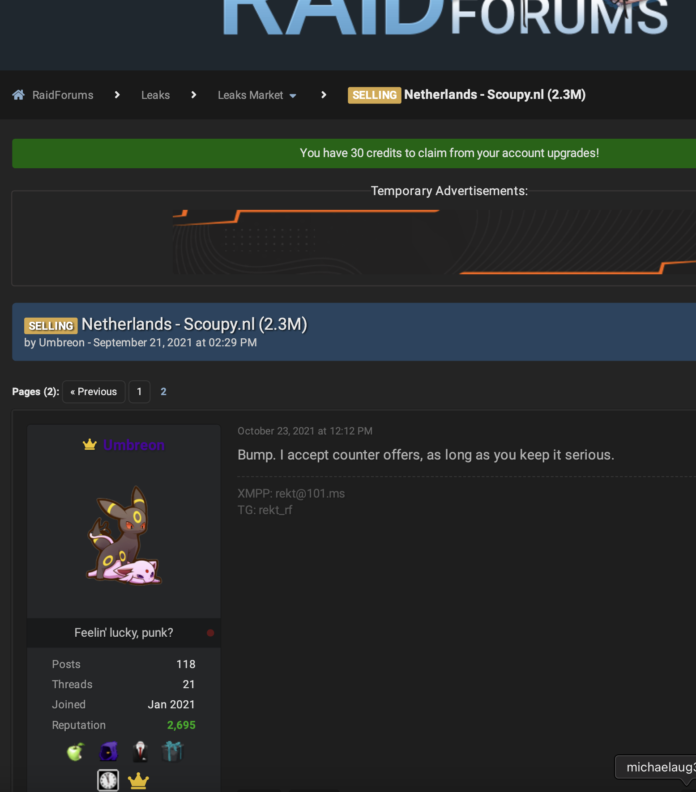
- Defacement Tactics: As seen in the FBI breach, the use of defacement messages with visual Identity (Umbreon) served both as a taunt to authorities and as a psychological tactic to bolster group morale and reputation (T1499 Endpoint Denial of Service).
Threat Actor Context
ShinyHunters, a collective renowned for high-profile data breaches, exemplifies the growing trend of hacker groups adopting a more aggressive public persona. Their methods have evolved under new leadership by a younger, more audacious individual, identified only as Rey, who operates within the Scattered Lapsus Hunters nexus, merging tactics from previously established groups like LAPSUS$ and Scattered Spider. The shifting dynamics within ShinyHunters suggest an internal power struggle shaped by conflicting motivations—revenge against law enforcement and financial gain from extortion. Historically, ShinyHunters has targeted numerous organizations across various sectors, drawn largely by the prospect of financial rewards through sale of stolen data, suggesting a blending of opportunistic and ideologically motivated attacks.
Indicators of Compromise (IOCs)
While specific IOCs from this campaign are still emerging, analysts should be vigilant for:
- Malicious IPs: Given the exploitation of vulnerabilities, maintain a watchlist of untrusted IPs associated with Oracle PeopleSoft exploits.
- Suspicious URLs: Monitor for any phishing attempts that mimic legitimate Oracle domains or associated platforms.
- File Hashes: If malware is identified, capture and analyze any binaries linked to ShinyHunters’ operations.
- Social Media Handles: Previous aliases or handles related to the group, especially during their public disclosures, may become targets for reconnaissance.
Detection and Hunting Guidance
To effectively detect ShinyHunters’ recent activities, SOC teams and threat hunters should utilize the following strategies:
Log Monitoring: Focus on authentication and access logs for unusual login attempts or patterns (e.g., multiple accesses from disparate geographic locations).
IDS/IPS Signatures: Deploy signatures to detect exploit attempts aligned with CVE-2026-35273 and related vulnerabilities in PeopleSoft applications.
SIEM Correlation Rules: Create correlation alerts that aggregate behaviors indicative of lateral movement within networks post-exploitation.
Network Traffic Analysis: Look for decrypted web traffic anomalies leading up to known exploit windows or unusual outbound connections to suspected C2 servers.
- User Behavior Analytics: Implement user behavior analytics to identify deviations from normal user patterns, particularly among privileged accounts.
Mitigation Recommendations
To defend against similar attack vectors, organizations should prioritize these actionable mitigations:
Vulnerability Patch Management: Ensure timely application of patches, particularly those released for zero-day vulnerabilities such as CVE-2026-35273.
Network Segmentation: Implement strict network segmentation to reduce lateral movement opportunities for an attacker.
Multi-Factor Authentication (MFA): Enforce MFA across all remote access points to mitigate credential theft.
Web Application Firewalls: Employ and properly configure web application firewalls (WAFs) with tailored rules to address specific emerging threats.
- User Training: Conduct regular awareness training to educate users about the risks of social engineering and phishing attempts.
Full Circle Cyber Analyst Takeaway
The recent escalation by ShinyHunters signals a concerning trend in the threat landscape, characterized by increasing bravado in their operations following internal disruptions. Organizations must remain vigilant in vigilance and regulatory compliance as such groups adapt to law enforcement pressures, indicating a potential normalization of high-stakes cyber confrontations. As cybercriminals collaborate amidst power shifts, an understanding of adversary TTPs will be critical for proactive defense strategies.

