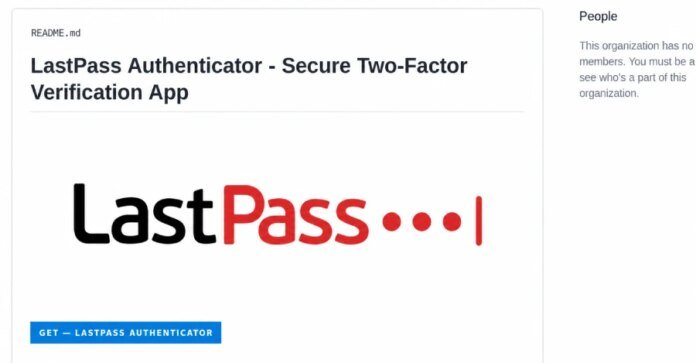
A New Low in Software Trust: Fake LastPass Authenticator Installer Reveals Kernel-Level Threats
What Happened
On September 17, researchers from LastPass and Delphos Labs unearthed a significant threat that leverages a fake LastPass Authenticator installer hosted on GitHub. This malicious software installs a Windows kernel driver that effectively dismantles antivirus defenses and other security measures on the victim’s machine. By evading detection measures, the attacker creates an opportunity for a password-stealing malware to execute undeterred. The scale of this breach, while challenging to quantify, indicates potential exposure to countless users who may have sought the legitimate application, highlighting the dangers of trusting third-party installations. Moreover, the fact that Microsoft’s hardware-compatibility program had signed off on the driver underscores a profound vulnerability in trusting software signatures, especially from reputable platforms.
Why This Breach Matters
This incident is indicative of a troubling trend in the cybersecurity landscape: the manipulation of trusted source code repositories and the exploitation of software signatures. In recent months, several high-profile breaches have involved fake applications or software capable of disabling security protocols, raising alarms for organizations that heavily rely on existing antivirus frameworks. The emergence of such kernel-level attacks signifies a shift toward more sophisticated threat vectors, where attackers can not only deliver malware but can also neutralize the defenses intended to protect against it. Security teams should regard this incident as more than just a single breach; it is a manifestation of a larger shift in how malicious actors are deploying their tactics, moving towards direct attacks on the operating system’s core functions.
The Attack Chain: How It Likely Unfolded
The probable attack chain began with the creation of a counterfeit LastPass Authenticator installer, strategically designed to mimic a legitimate application. By uploading it to a trusted platform such as GitHub, the attacker utilized social engineering tactics to lure victims into a false sense of security. The initial access vector was the installation of this malicious software, which included a signed Windows kernel driver. Upon execution, this driver was highly likely configured to disable security software, thus facilitating the subsequent deployment of a password-stealing malware payload.
In the absence of antivirus interventions, lateral movement within the victim’s system became feasible. The malware could harvest sensitive data, including stored passwords, without immediate detection. Moreover, analyzing the dwell time, while specific metrics are not disclosed in the report, suggests lengthy exploitation periods could occur before users realize their credentials have been compromised, especially if the malware can remain stealthy and operational within a system for extended durations.
Who Is Most at Risk
Organizations that utilize open-source software, particularly those in sectors heavily reliant on credential management such as finance, technology, and healthcare, are particularly at risk. Firms with limited security hygiene or those that lack thorough oversight on software installations face the highest vulnerability. Additionally, organizations that employ developers who might download tools from platforms like GitHub, without rigorous checks, need to be wary, as they are more likely to be exposed to counterfeit applications and the threats they carry.
Defensive Actions and Recommendations
Immediate Actions (24–72 hours):
- Threat Intelligence Sharing: Engage with threat intelligence platforms to share information about this specific attack and seek early indicators of compromise (IOC).
- User Education: Instantly remind users about the dangers of downloading executables from non-official sources, emphasizing the importance of verifying downloads.
- Patch and Update: Ensure that all systems, particularly antivirus and endpoint protection solutions, are fully updated to maximize their detection capabilities.
- Short- to Long-term Strategies:
- Application Whitelisting: Implement application whitelisting to control which software can be installed or executed on corporate devices.
- End User Security Training: Regularly conduct training sessions that focus on recognizing social engineering tactics and the importance of downloading only from official sources and repositories.
- Vulnerability Management: Regularly assess the environment for vulnerabilities and risks, leveraging frameworks like NIST or CIS to establish controls and standards.
- Multi-Factor Authentication (MFA): Strengthen credential protection by enforcing MFA across all user accounts to minimize the impact of potential password theft.
- Incident Response Plan: Develop or refine incident response plans that include specific responses to malicious kernel modules and tactics used to evade security technologies.
Regulatory and Legal Exposure
In this case, the breach presents potential regulatory implications depending on the geographic scope of the affected users. If personal data associated with this breach includes sensitive information covered under legislation like GDPR or CCPA, the organization behind the compromised software could face strict compliance requirements, including notifying affected users and potentially hefty fines. The obligation to disclose any breach impacting consumer data is paramount, and failure to do so can lead to ongoing scrutiny and reputational damage.
Full Circle Cyber Analyst Takeaway
This incident epitomizes the need for security teams to rethink their assumptions about trusted software sources. Malicious actors are finding innovative ways to exploit longstanding dependencies on software signatures and repositories. Vigilance, user education, and a proactive stance on application control are no longer optional but essential components of a robust cybersecurity strategy. Organizations must adapt to the evolving threat landscape by reinforcing the defense mechanisms that protect against trusted software vulnerabilities.

